
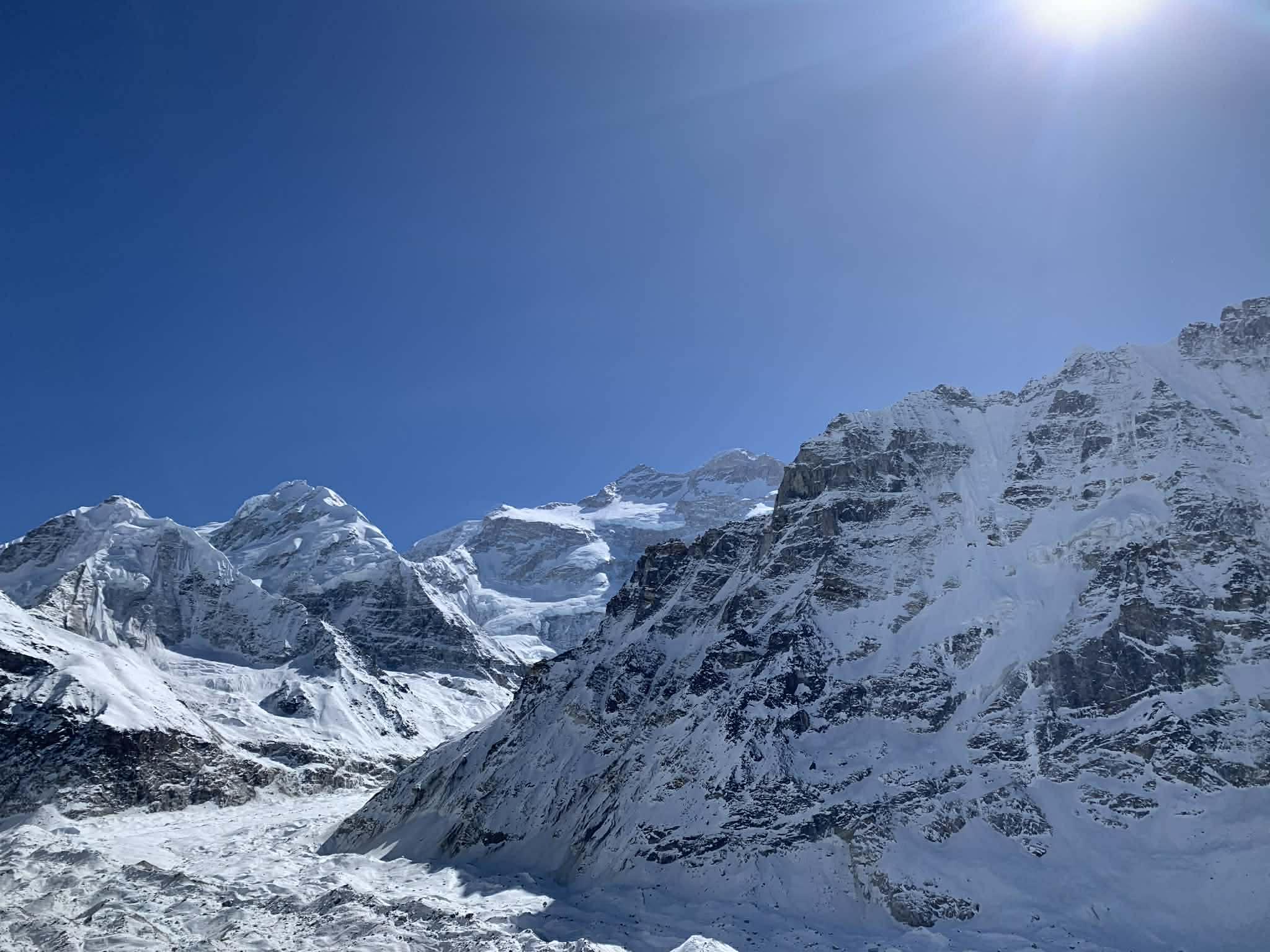
Kanchenjunga Circuit Trek: The Complete Guide (2026/2027)
30/07/2026
Some treks are famous because thousands of people walk them every year. Others are special because very few do.The Kanchenjunga Circuit Trek belongs to the second category.
Tucked away in the far eastern corner of Nepal, this remarkable journey takes you into one of the most remote and unspoiled mountain regions in the Himalayas. Unlike the busy trails of Everest or Annapurna, the paths here remain quiet. Days may pass without seeing more than a handful of fellow trekkers, allowing you to experience the mountains in a way that feels peaceful, personal, and deeply rewarding.
This isn’t a trek for people looking for luxury lodges or lively mountain villages. It’s for those who want to slow down, explore beyond the popular routes, and discover a side of Nepal that has changed very little over the years.
The adventure leads you through lush forests, narrow river valleys, alpine meadows, traditional villages, and high mountain passes before reaching both the North and South Base Camps of Mount Kanchenjunga, the world’s third-highest mountain at 8,586 metres. Standing beneath this magnificent peak is a moment few travellers ever experience, making the journey feel even more special.
Along the way, you’ll pass through welcoming villages where local communities continue to follow traditions that have been preserved for generations. Colourful prayer flags flutter above ancient trails, yaks graze in open pastures, and every evening ends in a simple mountain teahouse where a warm meal and friendly conversation are often the perfect reward after a day on the trail.
One of the things that makes the Kanchenjunga Circuit Trek so memorable is the incredible variety of landscapes. The scenery changes almost every day. You begin in green hills filled with terraced farms and subtropical forests, then gradually climb through rhododendron and pine woodlands before entering a dramatic alpine world of glaciers, rocky valleys, turquoise rivers, and towering snow-covered peaks. By the time you reach Pang Pema and Oktang, it feels as though you’ve travelled through several different mountain regions in a single journey.
Because the trek passes through the Kanchenjunga Conservation Area, it’s also one of Nepal’s richest regions for wildlife. If you’re lucky, you may spot blue sheep, Himalayan tahr, musk deer, colourful Himalayan monal pheasants, or even signs of the elusive snow leopard that roams these remote mountains. While wildlife sightings are never guaranteed, simply walking through such a protected and untouched landscape is an experience in itself.
Many people assume this trek is only for expert mountaineers. In reality, the Kanchenjunga Circuit Trek is a challenging but achievable adventure for anyone with a good level of fitness, a positive attitude, and enough time to acclimatise properly. There are no technical climbing sections, no ropes, and no mountaineering experience required. What the trek does demand is patience, preparation, and a willingness to embrace the slower pace of life in the high Himalayas.
At Danphe Adventure Treks & Expedition Pvt. Ltd., we’ve always believed that the best journeys aren’t measured only by the destination. They’re shaped by the people you meet, the stories you hear, and the small moments that stay with you long after you’ve returned home. Watching the morning light touch Kanchenjunga’s snowy summit, sharing tea with local families, listening to the sound of prayer flags in the mountain breeze, or simply enjoying the silence of a trail far from the crowds—these are the memories that make this trek truly unforgettable.
We’ve created this guide to help you plan your journey with confidence. Whether you’re travelling to Nepal for the first time or returning in search of a quieter Himalayan adventure, you’ll find honest advice, practical information, and local insights gathered from years of experience in the mountains.
The Kanchenjunga Circuit Trek isn’t simply about reaching two spectacular base camps.
It’s about discovering one of the last great wilderness treks in the Himalayas, where every day feels like a genuine adventure and every step brings you closer to the true spirit of Nepal.
Kanchenjunga Circuit Trek at a Glance
Before diving into the details, it’s helpful to get an overall picture of what to expect from the Kanchenjunga Circuit Trek.
This isn’t the kind of trek where you simply arrive, walk to a viewpoint, and head back a few days later. It’s a true Himalayan expedition that takes you deep into eastern Nepal, through remote villages, pristine forests, and some of the most spectacular mountain landscapes in the country.
The journey covers both the North and South Base Camps of Mount Kanchenjunga, making it one of the few treks in Nepal that allows you to experience two completely different sides of the same mountain. Along the way, you’ll cross high mountain passes, follow glacier-fed rivers, spend nights in welcoming teahouses, and travel through one of Nepal’s largest protected conservation areas.
Although the trek is physically demanding, it’s designed to be enjoyed rather than rushed. With proper acclimatisation and a steady pace, you’ll have time to appreciate not only the incredible scenery but also the culture, wildlife, and peaceful atmosphere that make this region so special.
Kanchenjunga Circuit Trek Overview
| Trek Details | Information |
| Destination | Kanchenjunga Circuit, Eastern Nepal |
| Duration | 21 Days |
| Maximum Altitude | Pang Pema (Kanchenjunga North Base Camp) – 5,143 m |
| Second Highest Point | Oktang (Kanchenjunga South Base Camp) – 4,700 m |
| Highest Pass | Selele Pass – 4,480 m |
| Difficulty | Challenging |
| Walking Hours | Approximately 5–8 hours per day |
| Accommodation | Family-run mountain teahouses |
| Meals | Breakfast, Lunch and Dinner during the trek |
| Best Seasons | March to May and late September to November |
| Starting Point | Kathmandu |
| Ending Point | Kathmandu |
| Transportation | Domestic flight and private/shared jeep |
| Permits Required | Kanchenjunga Conservation Area Permit (KCAP) and Restricted Area Permit (RAP) |
| Group Size | Private departures and small groups |
| Fitness Level | Good physical fitness recommended |
| Technical Climbing | Not required |
What Makes This Trek Different?
Nepal is home to many famous trekking routes, but the Kanchenjunga Circuit offers something that’s becoming increasingly difficult to find—genuine solitude.
On many popular trails, it’s common to pass dozens of trekking groups each day. Here, you might spend hours walking through forests or mountain valleys with only the sound of birds, flowing rivers, and the wind moving through the prayer flags. That sense of peace is one of the biggest reasons experienced trekkers fall in love with this region.
Another unique feature is that the route visits both sides of Mount Kanchenjunga. The northern side takes you to Pang Pema, where you’re surrounded by glaciers, towering ice walls, and dramatic alpine scenery. Later in the journey, the trail crosses Selele Pass before leading to Oktang on the southern side, where wide valleys, colourful meadows, and panoramic views create a completely different atmosphere.
It almost feels like completing two incredible treks in one adventure.
A Journey Through Changing Landscapes
One of the joys of this trek is watching the landscape transform day by day.
Your adventure begins in the warm, green hills of eastern Nepal, where terraced fields and small villages sit among forests of bamboo, oak, and rhododendron. As you climb higher, these forests gradually give way to alpine meadows, rocky valleys, and snow-covered peaks.
By the time you reach the upper valleys around Ghunsa, Kambachen, and Lonak, you’ll be walking beneath towering Himalayan giants, surrounded by glaciers and some of the wildest scenery Nepal has to offer.
Very few trekking routes in the country offer such dramatic changes in both landscape and atmosphere.
More Than Mountains
While the mountain views are undoubtedly spectacular, the Kanchenjunga Circuit Trek is about much more than scenery.
The route passes through small communities where life still follows traditions that have existed for generations. You’ll meet friendly local families, visit ancient monasteries, cross suspension bridges decorated with colourful prayer flags, and experience the warm hospitality that makes trekking in Nepal so memorable.
The region is also rich in biodiversity. As the trail winds through the Kanchenjunga Conservation Area, there’s always the possibility of spotting wildlife such as Himalayan tahr, blue sheep, musk deer, or Nepal’s colourful national bird, the Himalayan monal. Even if wildlife remains hidden, simply walking through these untouched forests is an unforgettable experience.
Is This the Right Trek for You?
The Kanchenjunga Circuit Trek isn’t the easiest trek in Nepal, but that’s part of its appeal.
It’s ideal for travellers who enjoy spending time in nature, don’t mind a few basic comforts, and want to experience a quieter side of the Himalayas. If you’re looking for lively mountain towns, cafés, or luxury lodges, you’ll probably be happier on one of Nepal’s more popular trekking routes.
However, if your idea of adventure is walking through remote valleys, staying in simple family-run teahouses, meeting local people, and exploring places where tourism still feels authentic, this trek is likely to exceed your expectations.
Every day brings something new, and by the end of the journey you’ll have experienced one of the last great wilderness treks in the Himalayas.
Before we look at the day-by-day itinerary, let’s explore why so many experienced trekkers consider the Kanchenjunga Circuit one of Nepal’s most rewarding adventures.
Why Choose the Kanchenjunga Circuit Trek?
Nepal is home to some of the world’s most iconic trekking routes. Every year, thousands of travellers set out for Everest Base Camp, the Annapurna Circuit, and the Annapurna Base Camp Trek. These routes have earned their reputation for good reason, offering breathtaking mountain views and well-established trails.
But what if you’re looking for something quieter?
What if you want to experience the Himalayas without sharing the trail with hundreds of other trekkers?
That’s where the Kanchenjunga Circuit Trek stands apart.
Often described as one of Nepal’s last great wilderness adventures, this remarkable journey takes you into a region where nature still feels untouched, local traditions remain deeply rooted, and every day brings a genuine sense of exploration. Instead of following busy trekking highways, you’ll walk along peaceful mountain trails where the rhythm of daily life has changed very little over the years.
The beauty of Kanchenjunga isn’t just found in its mountains—it’s found in the feeling of discovering a place that still feels wonderfully remote.
A Journey Beyond the Crowds
One of the first things you’ll notice on the Kanchenjunga Circuit is the silence.
On many popular trekking routes, it’s common to meet groups of trekkers throughout the day. Tea houses can be busy, viewpoints crowded, and the trails lively from morning until evening.
Here, the experience is completely different.
You might spend hours walking through forests, following glacier-fed rivers, or climbing into high alpine valleys without seeing another trekking group. The only sounds are birds singing in the trees, the rush of mountain streams, the gentle ringing of yak bells, and the wind carrying colourful prayer flags across the hillsides.
For many travellers, this peaceful atmosphere becomes one of the most memorable parts of the entire journey.
It allows you to slow down, breathe deeply, and appreciate the mountains in a way that’s becoming increasingly rare.
Two Base Camps, One Incredible Adventure
Very few trekking routes in Nepal allow you to stand beneath both sides of the same Himalayan giant.
The Kanchenjunga Circuit Trek does exactly that.
The first major highlight is Pang Pema (5,143 m), the North Base Camp of Mount Kanchenjunga. Reaching this viewpoint is an unforgettable moment. Massive glaciers stretch across the valley, jagged peaks rise above the ice, and the immense north face of the mountain dominates the skyline.
After returning through Ghunsa, the trail climbs once again towards Selele Pass, linking the northern and southern valleys.
Crossing the pass feels like stepping into a completely different world.
The landscape becomes greener, the valleys wider, and the perspective of the mountains changes dramatically. A few days later, you’ll arrive at Oktang (4,700 m), the South Base Camp, where sweeping views of Kanchenjunga and neighbouring peaks create another unforgettable mountain panorama.
Seeing both base camps on a single journey is what makes this trek so unique.
Rather than choosing one side of the mountain, you experience the full story of Kanchenjunga.
A Trail Rich in Nature
The scenery changes almost every day, making the trek feel fresh from beginning to end.
The lower valleys are filled with terraced farms, waterfalls, and forests of bamboo, oak, and rhododendron. During spring, these hillsides burst into colour as thousands of rhododendron flowers bloom across the mountains.
As you gain altitude, dense forests gradually give way to alpine meadows, rocky landscapes, and ancient glacial valleys. Snow-covered peaks begin to dominate the horizon, while crystal-clear rivers carve their way through the wilderness below.
By the time you reach Lonak and Pang Pema, the landscape has become almost otherworldly—a dramatic world of ice, rock, and towering Himalayan giants.
It’s hard to believe that all of these landscapes belong to the same trek.
A Walk Through Living Culture
The Kanchenjunga Circuit isn’t only about mountains.
It’s also an opportunity to experience the everyday lives of the people who call these remote valleys home.
Along the trail, you’ll pass through villages where farming, yak herding, and traditional lifestyles continue much as they have for generations. Friendly smiles, warm cups of tea, and genuine conversations often become some of the most treasured memories of the journey.
As you climb higher, you’ll notice Buddhist prayer flags fluttering from suspension bridges and mountain passes, mani walls carefully carved with sacred prayers, and peaceful monasteries watching over the valleys below.
These small moments remind you that trekking in Nepal is as much a cultural experience as it is an adventure in the mountains.
Wildlife Around Every Corner
The trail passes through the beautiful Kanchenjunga Conservation Area, one of Nepal’s most important protected regions.
This vast conservation area provides a safe home for an extraordinary variety of wildlife.
Although sightings can never be guaranteed, trekkers may encounter Himalayan tahr balancing effortlessly on steep cliffs, blue sheep grazing in alpine pastures, playful langur monkeys in the lower forests, colourful Himalayan monals, and musk deer quietly moving through the woodlands.
Hidden even deeper in these mountains are rare species such as the red panda and the elusive snow leopard. While they’re seldom seen, simply knowing they inhabit these remote valleys adds another layer of excitement to the journey.
Every Day Feels Like an Adventure
Some treks follow a familiar pattern, where each day feels much like the one before.
The Kanchenjunga Circuit is different.
One day you’re crossing roaring suspension bridges above deep river gorges. The next you’re sharing tea with local families in a quiet mountain village. A few days later you’re walking beside ancient glaciers, standing beneath towering Himalayan peaks, or crossing a high mountain pass with panoramic views in every direction.
The constant variety keeps the journey exciting from beginning to end.
There is always something new waiting around the next corner.
A Trek You’ll Never Forget
The Kanchenjunga Circuit Trek isn’t the easiest journey in Nepal, and that’s precisely why it leaves such a lasting impression.
It asks for time, patience, and determination. In return, it offers an experience that feels increasingly rare in today’s world—peaceful trails, genuine cultural encounters, spectacular mountain scenery, and the quiet satisfaction of reaching places that few travellers ever see.
Long after you’ve returned home, you’ll remember more than just the mountains.
You’ll remember the warmth of the people you met, the silence of the forests, the glow of sunrise on Kanchenjunga’s snowy peaks, and the feeling of standing in one of the last truly wild corners of the Himalayas.
For many trekkers, that’s what transforms this journey from an ordinary holiday into the adventure of a lifetime.
Trek Highlights
The Kanchenjunga Circuit Trek is one of those journeys where every few days bring something completely different. One morning you might be walking through a peaceful forest filled with birdsong, and a week later you’ll find yourself standing beside ancient glaciers with some of the highest mountains on Earth rising above you.
It’s not just one viewpoint or one destination that makes this trek special. It’s the collection of experiences along the way that stay with you long after you’ve returned home.
Here are some of the moments that make the Kanchenjunga Circuit such an unforgettable adventure.
Discover One of Nepal’s Last Remote Trekking Regions
One of the greatest rewards of this trek is simply being away from the crowds.
Unlike Nepal’s more popular trekking routes, the Kanchenjunga region still feels wonderfully untouched. The trails are quiet, the villages are peaceful, and the pace of life is refreshingly slow.
You’ll have plenty of time to enjoy the mountains without feeling rushed, whether you’re stopping to take photographs, chatting with local people, or simply sitting outside a teahouse with a cup of tea while watching the clouds drift across the peaks.
For many trekkers, this sense of solitude becomes one of the most memorable parts of the journey.
Stand at Both North and South Base Camps
Very few treks in Nepal offer the chance to visit two base camps of the same mountain.
The Kanchenjunga Circuit does exactly that.
Your first major destination is Pang Pema (5,143 m), the North Base Camp of Mount Kanchenjunga. The final climb is gradual, and with every step the mountains seem to grow even larger. When you finally arrive, you’re surrounded by glaciers, towering cliffs, and the magnificent north face of the world’s third-highest mountain.
Later in the trek, after crossing Selele Pass, you’ll reach Oktang (4,700 m) on the southern side of Kanchenjunga.
Although slightly lower in altitude, the views here are equally breathtaking. Wide alpine valleys stretch towards the mountain, creating one of the finest panoramic viewpoints in eastern Nepal.
Experiencing both sides of Kanchenjunga gives you a much deeper appreciation of this incredible mountain and makes the circuit feel like a complete Himalayan journey.
Experience the Warm Hospitality of Ghunsa
Among all the villages along the route, Ghunsa is often remembered as a favourite.
Surrounded by pine forests and snow-covered peaks, this traditional mountain village offers a welcoming place to rest before continuing higher into the Himalayas.
Prayer wheels spin quietly in the breeze, colourful flags decorate the trails, and local families greet visitors with genuine warmth. After several days of trekking, Ghunsa feels like a place where you can slow down, enjoy a hot meal, and soak in the peaceful mountain atmosphere.
Many trekkers say they could happily spend another day here.
Cross the Beautiful Selele Pass
Crossing Selele Pass (4,480 m) is one of the most exciting days of the trek.
The trail climbs steadily through rocky ridges before opening up to incredible views in every direction. Looking back, you’ll see the northern valleys you’ve already explored. Ahead lies an entirely new landscape leading towards the southern side of Kanchenjunga.
On a clear day, the panorama is spectacular, with snow-covered peaks stretching across the horizon.
It’s a challenging day, but it’s also one of the most rewarding.
Walk Through an Incredible Variety of Landscapes
One of the things that surprises many trekkers is just how much the scenery changes throughout the journey.
The adventure begins among green hills, terraced farmland, and rushing rivers before entering forests of bamboo, oak, pine, and rhododendron.
As the trail climbs higher, waterfalls give way to alpine meadows, rocky valleys, and vast glacial landscapes. By the time you reach the upper valleys around Lonak, the environment feels completely different from where your journey began.
It’s like travelling through several different regions of Nepal in a single trek.
Walk Through the Kanchenjunga Conservation Area
The entire trek passes through the Kanchenjunga Conservation Area, one of Nepal’s largest and most biologically diverse protected areas.
The forests and alpine valleys are home to an incredible range of plants and wildlife.
If you’re fortunate, you may spot Himalayan tahr carefully climbing rocky slopes, blue sheep grazing in open meadows, or colourful Himalayan monals flying between the trees.
Hidden deeper within these forests are rare animals such as the red panda and the snow leopard. Although they’re seldom seen, knowing these remarkable creatures share the same landscape adds another sense of wonder to the journey.
Experience Life in Remote Mountain Villages
The villages along the Kanchenjunga Circuit remain closely connected to their traditions.
Many families continue to farm, raise livestock, and welcome trekkers into simple family-run teahouses.
Life moves at a slower pace here. Evenings are often spent gathered around the dining room stove, sharing stories with fellow trekkers while enjoying freshly prepared local meals.
These simple moments often become just as memorable as the mountain views themselves.
Watch the Mountains Change with the Light
The Himalayas never look quite the same twice.
Early in the morning, the peaks glow softly with the first rays of sunlight. During the day, changing clouds constantly reshape the landscape, while clear evenings often bring spectacular sunsets that paint the snow-covered summits in shades of gold and orange.
If the sky is clear after dark, you’ll also be rewarded with an unforgettable display of stars stretching across the mountain sky.
These quiet moments remind you that some of the best experiences on the trek happen when you simply stop and look around.
Challenge Yourself in the Best Possible Way
The Kanchenjunga Circuit isn’t an easy trek, but that’s exactly what makes reaching the end feel so rewarding.
Each day brings a new challenge, whether it’s gaining altitude, crossing a mountain pass, or covering another stretch of remote trail.
By the time you complete the circuit, you’ll have walked through one of Nepal’s most spectacular mountain regions, visited both base camps of the world’s third-highest mountain, and experienced an adventure that very few people ever have the opportunity to enjoy.
It’s a journey that builds confidence, creates lasting memories, and leaves many trekkers already dreaming about their next visit to the Himalayas.
Is the Kanchenjunga Circuit Trek Right for You?
Not every trek in Nepal offers the same experience, and that’s one of the reasons the Kanchenjunga Circuit Trek attracts a different kind of traveller.
If you’re looking for lively trekking towns, cafés with fresh coffee, hot showers every night, and a busy social atmosphere, you’ll probably feel more comfortable on the Everest or Annapurna trails.
But if you’re someone who enjoys quiet mountain paths, authentic local culture, and the feeling of exploring places that remain largely untouched by tourism, the Kanchenjunga Circuit Trek could be exactly what you’re looking for.
This is a journey for people who appreciate the adventure as much as the destination.
The Kanchenjunga Circuit Trek Is Perfect for Travellers Who Love Real Adventure
Some people travel to tick famous places off a list.
Others travel because they enjoy discovering places that still feel genuine.
The Kanchenjunga Circuit Trek is designed for the second type of traveller.
You’ll spend three weeks walking through remote valleys, crossing suspension bridges, sharing meals in family-run teahouses, and waking up each morning surrounded by some of the most spectacular scenery in the Himalayas.
There are no luxury lodges or crowded viewpoints here. Instead, you’ll experience a quieter side of Nepal that many visitors never get the chance to see.
If that sounds exciting rather than intimidating, you’re already a good match for this trek.
Do You Need Previous Trekking Experience?
Previous trekking experience is certainly helpful, but it isn’t essential.
Many people who complete the Kanchenjunga Circuit Trek have already trekked in Nepal or other mountain regions, simply because they know they enjoy spending long days on the trail.
However, motivated first-time trekkers can also complete the journey successfully if they prepare well, stay patient, and maintain a steady pace.
The trail doesn’t require climbing equipment, ropes, or technical mountaineering skills. Most days involve following well-established mountain paths, although there are sections that can be steep, rocky, and physically demanding.
Your biggest challenge isn’t the trail itself—it’s adapting to the altitude and maintaining enough energy over three weeks of trekking.
That’s why this itinerary includes dedicated acclimatisation days in both Ghunsa and Kambachen, giving your body time to adjust before continuing higher.
How Fit Should You Be?
The Kanchenjunga Circuit Trek is considered a challenging trek, but that doesn’t mean you need to be an athlete.
The best preparation is simply having good overall fitness and enjoying long walks.
During the trek, you’ll usually walk between five and eight hours each day, although a few days may be longer depending on the trail conditions and weather. Some sections involve gradual climbs through forests, while others require steady uphill walking at higher elevations.
If you can comfortably spend a full day hiking and recover well overnight, you’ll already have a strong foundation.
Before arriving in Nepal, many trekkers prepare by walking regularly, climbing hills, cycling, swimming, or doing light strength training. Building stamina is far more valuable than trying to increase speed.
On this trek, slow and steady almost always wins.
Is the Altitude Difficult?
Altitude is one of the biggest challenges on the Kanchenjunga Circuit Trek.
As the trail climbs above 3,500 metres, the air becomes thinner and your body needs time to adapt. That’s completely normal, and it’s why acclimatisation plays such an important role throughout the journey.
Fortunately, this itinerary has been designed with safety in mind.
Rather than rushing to the base camps, you’ll spend extra nights in Ghunsa and Kambachen before continuing towards Pang Pema. These rest days greatly reduce the risk of altitude sickness and make the trek much more enjoyable.
Listening to your guide, drinking plenty of water, eating well, and walking at a comfortable pace are some of the simplest ways to help your body adjust naturally.
Are the Accommodation and Facilities Comfortable?
The Kanchenjunga region is remote, and that’s part of its charm.
Accommodation is provided in simple family-run teahouses that offer a warm bed, freshly prepared meals, and a friendly atmosphere after a long day of walking.
Facilities become more basic as you gain altitude. Hot showers, charging facilities, and internet access may not always be available, particularly in the higher villages.
Most trekkers quickly discover that these small sacrifices become part of the experience.
Evenings are often spent sitting around the dining room stove, enjoying a hot meal, talking with fellow trekkers, and listening to stories from local hosts. Those moments often become just as memorable as the mountain views themselves.
What Makes This Trek So Rewarding?
The Kanchenjunga Circuit Trek isn’t about reaching one famous viewpoint as quickly as possible.
It’s about immersing yourself in one of Nepal’s most remote mountain regions.
Over twenty-one days, you’ll witness landscapes that change dramatically, meet welcoming local communities, visit both the North and South Base Camps of Mount Kanchenjunga, and experience a sense of peace that’s becoming increasingly rare on popular trekking routes.
Every challenge along the way makes the rewards feel even greater.
By the time you return to Kathmandu, you’ll have travelled through one of the most spectacular and least-visited trekking regions in the Himalayas.
Our Honest Advice
If you’re looking for comfort, convenience, and busy trekking trails, this may not be the right adventure for you.
But if you’re searching for an authentic Himalayan experience—one that combines breathtaking scenery, rich local culture, quiet trails, and a genuine sense of exploration—the Kanchenjunga Circuit Trek is difficult to match.
It asks for patience, determination, and a spirit of adventure.
In return, it offers memories that will stay with you for a lifetime.
21-Day Kanchenjunga Circuit Trek Itinerary
Every trekking day on the Kanchenjunga Circuit brings something new. From peaceful villages and lush forests to high mountain passes and spectacular glacier valleys, no two days feel exactly the same.
This itinerary has been carefully designed to allow enough time for acclimatisation while letting you fully enjoy the landscapes, culture, and remote beauty that make this trek one of Nepal’s greatest adventures.
Day 1: Arrival in Kathmandu (1,340 m)
Driving: Airport to Hotel (30–45 minutes)
Accommodation: Hotel
Meals: Welcome Dinner
After arriving at Tribhuvan International Airport, one of our team members will be there to welcome you and transfer you to your hotel in Kathmandu.
Depending on your arrival time, you may wish to relax after your journey or take a short walk through the lively streets of Thamel. It’s a wonderful place to soak up your first impressions of Nepal, with colourful shops, cafés, and trekking stores lining the narrow streets.
In the evening, we’ll meet for a welcome dinner where you’ll have the opportunity to get to know your guide, discuss the adventure ahead, and enjoy traditional Nepali cuisine.
This is also a good time to ask any last-minute questions before your journey begins.
Highlights
- Airport welcome and hotel transfer
- Meet your trekking guide
- Traditional Nepali welcome dinner
- Final briefing before the trek
Local Guide’s Tip
Try to get a good night’s sleep and stay well hydrated after your international flight. The coming days involve long travel into eastern Nepal, so arriving well rested will make the start of your adventure much more enjoyable.
Day 2: Fly to Bhadrapur and Drive to Taplejung (1,820 m)
Flight: Approximately 45 minutes
Drive: 8–9 hours
Accommodation: Local Lodge
Meals: Breakfast, Lunch and Dinner
Your Himalayan adventure truly begins today.
An early morning flight takes you from Kathmandu to Bhadrapur, offering beautiful views of Nepal’s hills and, on a clear day, the distant Himalayan range stretching across the northern skyline.
After landing, you’ll meet your driver and begin the scenic journey towards Taplejung. The road gradually leaves the busy lowlands behind, climbing through tea gardens, rolling green hills, small villages, and terraced farmland.
Although it’s a long drive, it’s a fascinating introduction to eastern Nepal, where daily life moves at a slower pace and the scenery becomes increasingly dramatic with every hour.
By late afternoon, you’ll arrive in Taplejung, the gateway to the Kanchenjunga region. Surrounded by green hills and mountain landscapes, this welcoming town marks the beginning of your trekking adventure.
Spend the evening relaxing, enjoying your first dinner in the region, and preparing for tomorrow when you’ll finally set foot on the trail.
Highlights
- Scenic flight across Nepal
- Beautiful drive through eastern hills and tea estates
- First views of rural eastern Nepal
- Overnight in Taplejung
Local Guide’s Tip
Keep your camera close during today’s drive. The landscapes change constantly, and you’ll pass through villages and countryside that many visitors to Nepal never get the chance to see.
Day 3: Drive to Ranipul and Trek to Sekathum (1,650 m)
Driving Distance: Approximately 25 km
Driving Time: 2–3 hours
Trekking Distance: Approximately 6 km
Walking Time: 3–4 hours
Accommodation: Local Teahouse
Meals: Breakfast, Lunch and Dinner
Today marks your first day on foot as the Kanchenjunga Circuit Trek officially begins.
After breakfast, you’ll leave Taplejung behind and follow a winding mountain road towards Ranipul, the starting point of your trek. The drive is short but scenic, passing through small villages, terraced farmland, and hills covered in lush greenery.
Once your trekking crew has completed the final preparations, it’s time to shoulder your daypack and begin walking.
The trail follows the banks of the Tamor River, crossing several suspension bridges as it winds through dense forests and scattered settlements. The sound of flowing water accompanies you for much of the day, creating a peaceful atmosphere as you gradually leave the road behind and step into the remote landscapes of eastern Nepal.
By late afternoon, you’ll reach the small village of Sekathum, where two mountain rivers meet beneath steep forested hillsides. It may be a quiet place, but its peaceful setting makes it a memorable first overnight stop on the trek.
As evening falls, enjoy your first dinner in a traditional mountain teahouse and settle into the slower rhythm of life that will accompany you throughout the coming weeks.
Today’s Highlights
- Official start of the Kanchenjunga Circuit Trek
- Scenic drive through eastern Nepal
- Walk beside the Tamor River
- Cross several traditional suspension bridges
- First overnight stay in a remote mountain teahouse
Local Guide’s Tip
Take your time today and don’t worry about your walking speed. The first few days are all about finding a comfortable rhythm. A relaxed pace will help you conserve energy for the higher sections of the trek ahead.
Day 4: Trek from Sekathum to Amjilosa (2,300 m)
Trekking Distance: Approximately 9 km
Walking Time: 5–6 hours
Elevation Gain: Around 650 m
Accommodation: Local Teahouse
Meals: Breakfast, Lunch and Dinner
Today, the trail begins to reveal just how wild and beautiful the Kanchenjunga region really is.
Leaving Sekathum behind, you’ll cross another suspension bridge before following a narrow trail that climbs steadily through dense subtropical forests. The route twists along steep hillsides high above the Ghunsa Khola, with waterfalls cascading from the cliffs and colourful birds frequently appearing among the trees.
The climb is gradual but continuous, giving you plenty of opportunities to stop, catch your breath, and admire the surrounding scenery.
As you gain altitude, the forests become quieter and the villages more scattered. It’s not unusual to spend long stretches walking without meeting another trekking group, one of the many reasons experienced hikers are drawn to the Kanchenjunga Circuit Trek.
By afternoon, you’ll arrive in the peaceful settlement of Amjilosa, a small village surrounded by forested mountains. After a rewarding day’s walk, there’s nothing quite like enjoying a hot cup of tea while listening to the nearby river flowing through the valley below.
Today’s Highlights
- Walk through beautiful subtropical forests
- Follow the dramatic Ghunsa Khola valley
- Cross traditional suspension bridges
- Enjoy peaceful mountain scenery with very few trekkers
- Overnight in the quiet village of Amjilosa
Local Guide’s Tip
The trail can be humid in the lower valleys, especially during spring and autumn afternoons. Wear light layers that are easy to remove as you warm up, and keep drinking water regularly throughout the day.
Day 5: Trek from Amjilosa to Gyabla (2,730 m)
Trekking Distance: Approximately 10 km
Walking Time: 5–6 hours
Elevation Gain: Around 430 m
Accommodation: Local Teahouse
Meals: Breakfast, Lunch and Dinner
This morning, you’ll notice a gradual change in both the landscape and the atmosphere.
The trail continues through beautiful forests filled with bamboo, rhododendron, and pine trees. During spring, these hillsides burst into colour as rhododendron flowers bloom across the valley, creating one of the most beautiful sections of the entire trek.
As you climb higher, the air becomes cooler and the scenery begins to open up. Small waterfalls tumble down rocky cliffs, while snow-covered peaks occasionally appear between the trees, offering your first real glimpse of the high Himalayas waiting ahead.
Around midday, you’ll pass through the small settlement of Phale, where you may have the opportunity to meet local Tibetan families who have lived in this region for generations. Their warm hospitality offers a wonderful insight into life in these remote mountains.
A final gentle climb brings you to Gyabla, a picturesque village surrounded by forests and towering peaks. It’s a peaceful place to spend the night and another reminder that the Kanchenjunga Circuit Trek is about much more than reaching the base camps—it’s also about experiencing the culture and landscapes along the way.
Today’s Highlights
- Walk through beautiful bamboo and rhododendron forests
- Pass waterfalls and mountain streams
- Visit the traditional settlement of Phale
- First impressive views of the higher Himalayan peaks
- Overnight in the charming village of Gyabla
Local Guide’s Tip
As you move higher into the mountains, temperatures can change quickly. Keep a warm jacket within easy reach, even if the morning begins with clear blue skies. Mountain weather is always full of surprises.
Day 6: Trek from Gyabla to Ghunsa (3,475 m)
Trekking Distance: Approximately 10 km
Walking Time: 5–6 hours
Elevation Gain: Around 745 m
Accommodation: Local Teahouse
Meals: Breakfast, Lunch and Dinner
Today’s walk is one of the most enjoyable sections of the Kanchenjunga Circuit Trek, combining beautiful scenery with a fascinating glimpse into the culture of the region.
Leaving Gyabla behind, the trail winds gently through forests of pine, fir, and rhododendron before gradually climbing alongside the Ghunsa Khola. The valley begins to widen, and as you gain altitude, the air feels cooler and noticeably fresher.
Along the way, you’ll pass traditional stone houses, prayer wheels, colourful Buddhist flags, and small chortens that reflect the strong Tibetan Buddhist influence found throughout this region. Every village has its own character, and the peaceful surroundings invite you to slow down and enjoy the journey.
By early afternoon, you’ll arrive in Ghunsa, one of the largest and most important villages on the entire trek.
Nestled beneath towering mountains and surrounded by pine forests, Ghunsa has a welcoming atmosphere that many trekkers remember long after their journey ends. Local families have welcomed travellers here for generations, and after several days on the trail, the village feels like a comfortable mountain home.
Take some time to explore the village, visit the monastery, or simply relax with a warm cup of tea while enjoying the beautiful surroundings.
Today’s Highlights
- Walk through peaceful pine and rhododendron forests
- Experience the strong Tibetan Buddhist culture
- Visit one of the most beautiful villages on the trek
- Explore the traditional village of Ghunsa
- Beautiful mountain scenery throughout the day
Local Guide’s Tip
Ghunsa is an excellent place to slow down and let your body begin adjusting to the higher altitude. Drink plenty of water, avoid rushing around the village, and enjoy a relaxed afternoon before tomorrow’s acclimatisation day.
Day 7: Acclimatisation Day in Ghunsa (3,475 m)
Walking Time: 2–4 hours (Optional hike)
Accommodation: Local Teahouse
Meals: Breakfast, Lunch and Dinner
Today is an important day for both your health and your enjoyment of the Kanchenjunga Circuit Trek.
Although it may be tempting to continue climbing higher, giving your body time to adjust significantly reduces the risk of altitude sickness and helps you feel stronger during the days ahead.
After breakfast, you’ll take a short hike to a higher viewpoint above Ghunsa before returning to the village for the night. This approach, often described as “climb high, sleep low,” is one of the most effective ways to adapt safely to increasing altitude.
The hike itself is rewarding, offering wider views of the surrounding valleys, forests, and snow-covered peaks that continue to appear as you move deeper into the Himalayas.
The rest of the afternoon is yours to enjoy at a relaxed pace.
Many trekkers spend time visiting the local monastery, chatting with residents, reading outside the teahouse, or simply watching daily life unfold in this peaceful mountain village.
Sometimes, the quiet days become the most memorable.
Today’s Highlights
- Essential acclimatisation for higher elevations
- Optional hike above Ghunsa
- Visit the local monastery
- Enjoy spectacular mountain views
- Time to relax and explore the village
Local Guide’s Tip
Don’t mistake an acclimatisation day for a complete rest day. A gentle walk helps your body adjust far better than staying indoors. Keep drinking water throughout the day, even if you don’t feel thirsty.
Day 8: Trek from Ghunsa to Kambachen (4,050 m)
Trekking Distance: Approximately 11 km
Walking Time: 5–6 hours
Elevation Gain: Around 575 m
Accommodation: Local Teahouse
Meals: Breakfast, Lunch and Dinner
Today, the landscape begins to change dramatically.
Leaving the forests around Ghunsa behind, you’ll enter a much more rugged alpine environment where towering cliffs, glacial rivers, and snow-covered peaks dominate the scenery.
The trail follows the Ghunsa Khola through a wide valley, crossing wooden bridges and rocky sections as it gradually climbs higher. Trees become less common, replaced by open hillsides and vast mountain views stretching in every direction.
As the valley opens up, you’ll begin to appreciate just how remote this part of Nepal really is.
With fewer villages and only a handful of trekkers on the trail, there’s a wonderful sense of isolation that makes the Kanchenjunga Circuit Trek so unique.
On clear days, you’ll enjoy magnificent views of Jannu (Kumbhakarna), one of the most striking mountains in the Himalayas. Its steep granite walls rise dramatically above the surrounding landscape and are often considered among the most beautiful peaks in Nepal.
By afternoon, you’ll reach Kambachen, a tiny settlement surrounded by glaciers and high mountains.
At over 4,000 metres, the air is noticeably thinner now, so it’s important to take things slowly and allow your body to continue adapting to the altitude.
Today’s Highlights
- Enter the spectacular alpine landscape
- Incredible views of Mount Jannu (Kumbhakarna)
- Walk beside glacier-fed rivers
- Experience one of the most remote sections of the trek
- Overnight in the peaceful settlement of Kambachen
Local Guide’s Tip
From this point onwards, your pace becomes more important than your fitness. Walk slowly, breathe steadily, and avoid rushing uphill. The mountains aren’t going anywhere, and taking your time will help you enjoy them even more.
Day 9: Acclimatisation Day in Kambachen (4,050 m)
Walking Time: 2–4 hours (Optional hike)
Accommodation: Local Teahouse
Meals: Breakfast, Lunch and Dinner
Another acclimatisation day may sound like a delay, but it’s actually one of the smartest parts of the itinerary.
As you prepare to climb above 4,500 metres, giving your body another day to adapt greatly improves both your safety and your overall trekking experience.
After breakfast, your guide will lead a gentle hike to a higher viewpoint overlooking the surrounding glaciers and mountain ridges before returning to Kambachen for the night.
The scenery is breathtaking.
Jagged peaks surround the valley, glaciers stretch down from the mountains, and the silence of the high Himalayas creates a peaceful atmosphere that’s difficult to describe until you’ve experienced it yourself.
Back in the village, enjoy a warm meal, rest your legs, and prepare for the exciting journey to Lonak tomorrow.
Today’s Highlights
- Important acclimatisation before climbing higher
- Panoramic views of glaciers and surrounding peaks
- Explore the alpine landscape around Kambachen
- Relax and recharge for the next stage of the trek
Local Guide’s Tip
If you develop a mild headache, lose your appetite, or feel unusually tired, let your guide know straight away. These can be normal signs of altitude, but it’s always best to monitor them early and adjust the pace if necessary.
Day 10: Trek from Kambachen to Lonak (4,780 m)
Trekking Distance: Approximately 10 km
Walking Time: 5–6 hours
Elevation Gain: Around 730 m
Accommodation: Local Teahouse
Meals: Breakfast, Lunch and Dinner
Today, the Kanchenjunga Circuit Trek takes you deeper into the high Himalayas, where the landscape becomes more dramatic with every step.
Leaving Kambachen behind, the trail follows the Ghunsa Khola through a broad glacial valley. Trees have now disappeared completely, replaced by rocky slopes, alpine meadows, and towering cliffs sculpted by thousands of years of ice and wind.
As you continue climbing, you’ll notice the mountains feel much closer than before. Massive glaciers spill down from the surrounding peaks, while the sound of rushing meltwater echoes through the valley. Every turn reveals another breathtaking view, making it difficult to resist stopping for photographs.
This section of the trek feels wonderfully remote. There are no roads, no villages nearby, and very few people. Just you, the mountains, and one of the most untouched landscapes in Nepal.
By afternoon, you’ll arrive at Lonak, a small seasonal settlement surrounded by rugged peaks. Sitting at nearly 4,800 metres, it’s one of the highest overnight stops on the journey.
As the sun begins to set, the surrounding mountains glow with warm golden light before the valley becomes wonderfully quiet. It’s the perfect place to rest before tomorrow’s unforgettable visit to Kanchenjunga North Base Camp.
Today’s Highlights
- Walk through a spectacular glacial valley
- Enjoy close-up views of snow-covered Himalayan peaks
- Experience one of the most remote sections of the trek
- Overnight at the peaceful settlement of Lonak
- Prepare for tomorrow’s journey to Pang Pema
Local Guide’s Tip
The air is much thinner at this altitude, so even gentle climbs can feel challenging. Walk slowly, drink plenty of water, and remember that tomorrow is the highlight of the northern section of your adventure.
Day 11: Trek to Kanchenjunga North Base Camp (Pang Pema – 5,143 m) and Return to Lonak
Trekking Distance: Approximately 14 km (Round Trip)
Walking Time: 7–8 hours
Highest Altitude: 5,143 m
Accommodation: Local Teahouse in Lonak
Meals: Breakfast, Lunch and Dinner
Today is one of the most unforgettable days of the Kanchenjunga Circuit Trek.
Leaving Lonak early in the morning, you’ll follow a gradual trail across a wide glacial valley as the first light begins to illuminate the surrounding peaks. The landscape feels wild and untouched, with towering mountains rising on every side.
As you gain height, the massive north face of Mount Kanchenjunga slowly comes into view. Every step brings you closer to one of the highest and most spectacular mountains on Earth.
Finally, you arrive at Pang Pema (5,143 metres) — the Kanchenjunga North Base Camp.
Standing here is an experience that’s difficult to describe.
The mountain rises above you with incredible scale, while glaciers stretch across the valley below. Unlike more crowded Himalayan destinations, there’s often a deep sense of silence here. Without large crowds or busy viewpoints, you can simply pause, take in the scenery, and appreciate how remote this extraordinary place really is.
This is a moment many trekkers have dreamed about for years.
Take your time to enjoy the views, capture photographs, and celebrate reaching one of Nepal’s most remarkable trekking destinations before beginning the descent back to Lonak.
Although you’ll return to the same teahouse this evening, the valley somehow feels different on the way back. You’ve now stood beneath the world’s third-highest mountain, creating a memory that will stay with you long after the trek has ended.
Today’s Highlights
- Reach Kanchenjunga North Base Camp (Pang Pema)
- Spectacular views of Mount Kanchenjunga
- Walk through one of Nepal’s most impressive glacial landscapes
- Celebrate reaching the highest point of the trek
- Return safely to Lonak for the night
Local Guide’s Tip
The weather around Pang Pema can change quickly, even on clear mornings. Dress in layers, carry warm gloves and a windproof jacket, and don’t forget to simply stop for a few moments without taking photos. Sometimes the best memories are the ones you experience with your own eyes.
Day 12: Trek from Lonak to Ghunsa (3,475 m)
Trekking Distance: Approximately 21 km
Walking Time: 7–8 hours
Elevation Loss: Around 1,300 m
Accommodation: Local Teahouse
Meals: Breakfast, Lunch and Dinner
After the excitement of reaching Kanchenjunga North Base Camp, today is a chance to enjoy the journey back through landscapes that often look completely different in the opposite direction.
As you descend from Lonak, the air gradually becomes richer in oxygen and walking begins to feel easier. The familiar glacial valleys, rocky trails, and mountain rivers accompany you once again, but now you have a new appreciation for everything you’ve experienced over the past few days.
Passing through Kambachen, you’ll continue towards Ghunsa, where forests begin to appear once more and the valley feels greener with every kilometre.
Returning to Ghunsa almost feels like visiting an old friend.
After several days at high altitude, the comfortable teahouses and welcoming atmosphere are especially appreciated. A warm meal, a hot drink, and a good night’s sleep provide the perfect reward after completing the northern section of the Kanchenjunga Circuit Trek.
Today’s Highlights
- Descend through spectacular alpine scenery
- Return to the beautiful village of Ghunsa
- Easier breathing at lower altitude
- Celebrate completing the northern base camp section
Local Guide’s Tip
Even though you’re descending, continue drinking plenty of water and eating well. Your body is still recovering from the highest point of the trek, and tomorrow another exciting chapter begins as you head towards Selele Pass and the southern side of Kanchenjunga.
Day 13: Trek from Ghunsa to Selele High Camp (4,290 m)
Trekking Distance: Approximately 11 km
Walking Time: 6–7 hours
Elevation Gain: Around 815 m
Accommodation: Local Teahouse
Meals: Breakfast, Lunch and Dinner
After completing the northern section of the Kanchenjunga Circuit Trek, today’s journey begins a completely new chapter of the adventure.
Leaving the familiar village of Ghunsa behind, the trail climbs steadily through peaceful forests of larch, pine, and rhododendron. During the first few hours, you’ll occasionally catch glimpses of the valley below, reminding you just how far you’ve travelled over the past two weeks.
As the trail climbs higher, the trees gradually become smaller before giving way to open alpine ridges. The landscape begins to feel wilder and more exposed, with sweeping mountain views appearing in every direction.
The final climb to Selele High Camp is steady rather than steep, allowing you plenty of time to appreciate the scenery around you. Looking back, the northern valleys seem endless, while ahead lies the rugged mountain ridge that separates the two sides of Kanchenjunga.
Arriving at Selele High Camp feels different from any other overnight stop on the trek. Sitting high above the valleys, surrounded by dramatic peaks and complete silence, it’s easy to understand why so many trekkers describe this as one of their favourite places on the entire route.
As evening approaches, the changing light transforms the surrounding mountains into shades of gold, pink, and deep orange. It’s one of those moments that reminds you why long Himalayan journeys are worth every step.
Today’s Highlights
- Leave the Ghunsa Valley and begin the southern section of the circuit
- Gradually climb through beautiful alpine forests
- Incredible ridge-top mountain scenery
- Peaceful overnight stay at Selele High Camp
- Beautiful sunset views over the surrounding peaks
Local Guide’s Tip
Temperatures at Selele High Camp can drop well below freezing, even during the main trekking seasons. Keep your down jacket, gloves, and warm hat close by for the evening and early morning.
Day 14: Cross Selele Pass (4,480 m) and Trek to Tseram (3,870 m)
Trekking Distance: Approximately 15 km
Walking Time: 7–8 hours
Highest Altitude: 4,480 m
Accommodation: Local Teahouse
Meals: Breakfast, Lunch and Dinner
Today is one of the most exciting and rewarding days of the Kanchenjunga Circuit Trek.
An early start allows you to reach the higher ridges while the morning sky is still clear. As the sun rises, the surrounding peaks slowly emerge from the shadows, creating one of the most memorable scenes of the entire journey.
The climb towards Selele Pass is steady, and although the altitude makes every step feel a little slower, the scenery provides constant motivation.
Standing on the pass is a moment you’ll never forget.
From here, the mountains seem to stretch endlessly across the horizon. Looking back, you’ll see the northern valleys you’ve already explored. Ahead, the southern side of Kanchenjunga opens before you, revealing an entirely different landscape of deep valleys, alpine meadows, and rugged mountain ridges.
It’s hard to believe you’re still on the same trek.
After spending time enjoying the views, the trail begins a long descent towards Tseram. The landscape changes almost immediately. Rocky slopes gradually give way to grassy hillsides, scattered juniper bushes, and streams flowing through wide alpine valleys.
By late afternoon, you’ll arrive at the peaceful settlement of Tseram, surrounded by magnificent mountain scenery.
It’s the perfect place to relax after one of the most rewarding days of the trek.
Today’s Highlights
- Cross the spectacular Selele Pass
- Panoramic Himalayan views
- Experience both sides of the Kanchenjunga region
- Descend into the beautiful Tseram Valley
- One of the most scenic days of the entire trek
Local Guide’s Tip
Start early today, not only for the weather but also to enjoy the soft morning light from the pass. The mountain views are often at their clearest during the first few hours after sunrise.
Day 15: Trek from Tseram to Ramche (4,580 m)
Trekking Distance: Approximately 9 km
Walking Time: 4–5 hours
Elevation Gain: Around 710 m
Accommodation: Local Teahouse
Meals: Breakfast, Lunch and Dinner
Compared with yesterday’s adventure, today’s walk is shorter and more relaxed, giving your body another opportunity to adapt before visiting Kanchenjunga South Base Camp.
Leaving Tseram, you’ll follow a gentle trail through wide alpine meadows alongside the Simbuwa Khola. Waterfalls tumble down the surrounding cliffs, while snow-covered peaks become more impressive with every kilometre.
The valley feels wonderfully open, allowing uninterrupted views of the surrounding mountains throughout much of the day.
As you approach Ramche, the landscape becomes increasingly dramatic. Glacial streams weave across the valley floor, and colourful alpine flowers brighten the trail during spring.
Although today’s walking distance isn’t particularly long, the altitude reminds you to continue moving at a comfortable pace.
Spend the afternoon resting, enjoying the mountain views, and preparing for tomorrow’s visit to Kanchenjunga South Base Camp (Oktang).
Today’s Highlights
- Gentle walk through beautiful alpine meadows
- Spectacular glacier-fed valley
- Stunning mountain scenery throughout the day
- Overnight at Ramche before South Base Camp
Local Guide’s Tip
Today’s shorter walk is a good opportunity to relax and recover. Eat well, stay hydrated, and enjoy the peaceful surroundings. Tomorrow brings another unforgettable highlight of the Kanchenjunga Circuit Trek.
Day 16: Trek to Kanchenjunga South Base Camp (Oktang – 4,700 m) and Return to Tseram
Trekking Distance: Approximately 16 km
Walking Time: 7–8 hours
Highest Altitude: 4,700 m
Accommodation: Local Teahouse in Tseram
Meals: Breakfast, Lunch and Dinner
Today brings another unforgettable milestone as you visit Kanchenjunga South Base Camp, better known as Oktang.
The trail gradually climbs through an open valley where every step reveals increasingly impressive views of the surrounding mountains. Unlike the rugged glacial landscape of Pang Pema, the southern side offers a completely different perspective.
Here, wide alpine valleys lead towards enormous glaciers that descend directly from the towering face of Mount Kanchenjunga.
As you arrive at Oktang, you’ll understand why many photographers consider this one of the finest viewpoints in eastern Nepal.
The panorama is breathtaking.
Kanchenjunga rises majestically above the Yalung Glacier, while neighbouring peaks create an incredible natural amphitheatre of snow, ice, and rock. Standing here, surrounded by some of the highest mountains on Earth, it’s easy to forget everything happening beyond the Himalayas.
Take time to enjoy the peaceful atmosphere, capture photographs, and simply absorb the moment.
Unlike many famous viewpoints around the world, Oktang often remains wonderfully quiet, allowing you to appreciate the landscape without the crowds.
After spending time at South Base Camp, you’ll retrace your steps through the beautiful valley before returning to Tseram for the night.
With both Kanchenjunga North Base Camp and Kanchenjunga South Base Camp now behind you, you’ve completed the most iconic section of the Kanchenjunga Circuit Trek.
It’s an achievement that very few trekkers ever experience.
Today’s Highlights
- Visit Kanchenjunga South Base Camp (Oktang)
- Magnificent views over the Yalung Glacier
- Experience both base camps of Mount Kanchenjunga
- One of Nepal’s finest mountain panoramas
- Return to Tseram after an unforgettable day
Local Guide’s Tip
Before leaving Oktang, take one last look at the mountains without reaching for your camera. The photographs will always remind you of the views, but the feeling of standing beneath Kanchenjunga is something you’ll remember for the rest of your life.
A Moment to Remember
If you’ve reached this point in the journey, you’ve done something that only a small number of trekkers ever experience.
Standing at both Kanchenjunga North Base Camp and Kanchenjunga South Base Camp isn’t simply about reaching two destinations on a map. It’s about everything you’ve experienced along the way.
Over the past two weeks, you’ve crossed rushing rivers on swinging suspension bridges, walked through quiet forests filled with rhododendrons and pine trees, shared meals with local families, climbed into glacier-filled valleys, and watched the landscape transform from green hills into a world of rock, snow, and ice.
You’ve learned to slow your pace, listen to your body, and appreciate the simple rhythm of life in the mountains.
Some memories will be dramatic—the first glimpse of Kanchenjunga rising above the valley, the silence at Pang Pema, or the breathtaking panorama from Oktang.
But many of the moments you’ll remember aren’t found on a map.
They might be the smile of a teahouse owner welcoming you inside after a long day, the sound of yak bells echoing through the valley, the warmth of a cup of tea on a cold afternoon, or watching the last rays of sunlight paint the snowy peaks in shades of gold and pink.
These are the moments that quietly stay with you.
One of the beautiful things about the Kanchenjunga Circuit Trek is that it asks you to slow down. There are no shortcuts, no cable cars, and no quick way to reach these remarkable places. Every viewpoint, every mountain pass, and every base camp is earned one step at a time.
Perhaps that’s why the experience feels so meaningful.
By now, you’ve walked through one of the most remote corners of the Himalayas, visited both sides of the world’s third-highest mountain, and discovered landscapes that many people will only ever see in photographs.
Take a moment before continuing your journey home.
Look around.
Breathe in the fresh mountain air.
Listen to the silence.
These mountains have a way of reminding us how small we are, but at the same time, how much we’re capable of achieving when we keep moving forward, one step at a time.
Long after the trek is over, the photographs will help you remember the mountains.
But it’s the feeling of being here—the quiet mornings, the friendly faces, the endless trails, and the sense of accomplishment—that will stay with you for years to come.
And perhaps, like so many trekkers before you, you’ll leave with one thought already in your mind:
“One day, I’ll come back.”
The Journey Home
One of the biggest mistakes I see on many trekking websites is that the descent is treated as if the adventure is over.
In reality, it isn’t.
The return journey gives you time to reflect on everything you’ve experienced, enjoy landscapes from a different perspective, and spend one last night in the mountain villages that have become part of your story.
Day 17: Trek from Tseram to Kyangshera (2,400 m)
Trekking Distance: Approximately 16 km
Walking Time: 6–7 hours
Elevation Loss: Around 1,470 m
Accommodation: Local Teahouse
Meals: Breakfast, Lunch and Dinner
After the unforgettable experience of visiting both base camps, today the pace of the Kanchenjunga Circuit Trek begins to slow.
Leaving Tseram behind, you’ll retrace the trail through beautiful alpine meadows before gradually descending into greener valleys. With every hour, the air feels richer, the temperatures become warmer, and small shrubs slowly give way to forests once again.
Without the pressure of climbing higher, there’s more time to notice the little things you may have missed on the way up—a colourful bird resting in the trees, wildflowers growing beside the trail, or the sound of a mountain stream flowing through the valley.
The scenery somehow feels different now.
Not because the mountains have changed, but because you have.
You’ve already stood beneath Kanchenjunga, crossed Selele Pass, and completed the most demanding part of the journey. Now, every step towards the lower valleys gives you a chance to reflect on everything you’ve achieved.
By afternoon, you’ll reach the peaceful village of Kyangshera, where you’ll spend another relaxing evening in a family-run teahouse.
Today’s Highlights
- Gradual descent into greener landscapes
- Beautiful forests and waterfalls
- Peaceful mountain villages
- Relaxed walking after visiting both base camps
Local Guide’s Tip
Descending can feel easier on your lungs, but it can be harder on your knees. Trekking poles are especially helpful today, particularly on longer downhill sections.
Day 18: Trek to Ranipul (Zero KM) and Drive to Taplejung (1,820 m)
Trekking Distance: Approximately 15 km
Walking Time: 5–6 hours
Drive: Around 2–3 hours
Accommodation: Local Lodge
Meals: Breakfast, Lunch and Dinner
Today marks your final day on the trail.
The morning begins with a gentle walk through forests and traditional villages before arriving at Ranipul, where your trekking journey officially comes to an end.
Waiting here is your vehicle for the drive back to Taplejung.
As the road climbs through the hills, you’ll occasionally catch your last glimpses of the valleys you’ve spent weeks exploring. It feels strange to leave the mountains behind, but there’s also a quiet sense of satisfaction knowing you’ve completed one of Nepal’s most rewarding trekking adventures.
Back in Taplejung, enjoy a comfortable evening, celebrate your achievement with your guide and trekking crew, and perhaps share stories from the journey over one final dinner together.
Today’s Highlights
- Complete the trekking portion of the Kanchenjunga Circuit Trek
- Scenic drive back to Taplejung
- Celebrate your successful adventure
- Thank your local guide and support team
Local Guide’s Tip
This is a wonderful evening to thank your guide, porter, and local staff. Their knowledge, encouragement, and hard work play a huge part in making the journey both safe and memorable.
Day 19: Drive from Taplejung to Kanyam (1,700 m)
Driving Distance: Approximately 240 km
Driving Time: 8–9 hours
Accommodation: Hotel
Meals: Breakfast, Lunch and Dinner
Leaving the mountains behind, today’s scenic drive takes you through the rolling hills of eastern Nepal towards the beautiful hill station of Kanyam.
Famous for its neatly landscaped tea gardens, cool climate, and peaceful surroundings, Kanyam offers a completely different atmosphere from the rugged Himalayan valleys you’ve just explored.
Take a leisurely walk through the tea estates, enjoy the fresh mountain air, and relax after the long drive. It’s a gentle transition back to everyday life and a chance to end your mountain adventure in another beautiful corner of eastern Nepal.
Today’s Highlights
- Scenic drive through eastern Nepal
- Visit the beautiful Kanyam tea gardens
- Relax in peaceful surroundings
- Enjoy one final evening in eastern Nepal
Local Guide’s Tip
If the weather is clear, spend some time walking through the tea gardens before sunset. It’s one of the most peaceful places in eastern Nepal and a lovely way to end your time in the region.
Day 20: Drive to Bhadrapur Airport and Fly to Kathmandu (1,400 m)
Driving Time: Approximately 2–3 hours
Flight Time: Approximately 45 minutes
Accommodation: Hotel
Meals: Breakfast
This morning, you’ll leave the peaceful hills of eastern Nepal behind and make your way to Bhadrapur Airport for the short flight back to Kathmandu.
The drive passes through green countryside, small towns, and tea plantations that have become a symbol of this part of Nepal. After weeks spent among glaciers, mountain passes, and remote villages, the changing landscape is a gentle reminder that your Himalayan adventure is gradually coming to an end.
From the aircraft, you may catch one final glimpse of the mountains on a clear day. It’s a special moment to look back at the region you’ve just explored and reflect on everything you’ve experienced over the past three weeks.
After arriving in Kathmandu, our team will transfer you to your hotel. The rest of the day is yours to enjoy.
Some travellers choose to explore the lively streets of Thamel, buy a few souvenirs, enjoy a good cup of coffee, or simply relax after the long journey. Others prefer a quiet evening, giving themselves time to reflect on an adventure that has taken them through one of Nepal’s most remote and spectacular trekking regions.
Although you’ve returned to the city, it’s quite normal for your thoughts to remain somewhere among the mountains.
Today’s Highlights
- Scenic drive to Bhadrapur Airport
- Domestic flight back to Kathmandu
- Final aerial views of eastern Nepal on a clear day
- Free afternoon to relax or explore Kathmandu
Local Guide’s Tip
If you have time in the afternoon, visit a local café or enjoy a traditional Nepali dinner. After weeks in the mountains, it’s a nice opportunity to celebrate the successful completion of your trek before heading home.
Day 21: International Departure
Meals: Breakfast
Every great journey eventually comes to an end, but the memories often stay with us for a lifetime.
After breakfast, our team will transfer you to Tribhuvan International Airport for your onward flight.
As you leave Nepal, you’ll take home much more than photographs.
You’ll remember the quiet forests of eastern Nepal, the welcoming smiles in mountain villages, the colourful prayer flags fluttering in the wind, the peaceful evenings spent in teahouses, and the unforgettable feeling of standing beneath the mighty Mount Kanchenjunga.
The Kanchenjunga Circuit Trek is more than a walk through the Himalayas.
It’s a journey that teaches patience, resilience, and appreciation for nature in its purest form. Every climb, every river crossing, and every mountain pass becomes part of a story that you’ll continue telling long after you’ve returned home.
Many trekkers arrive in Nepal searching for an adventure.
They leave with something much more valuable—a deeper connection to the mountains, the people, and themselves.
Whether this was your first trek in Nepal or one of many, we hope the Kanchenjunga region has left a lasting impression and inspired you to return one day to discover even more of the Himalayas.
On behalf of everyone at Danphe Adventure Treks & Expedition Pvt. Ltd., thank you for allowing us to be part of your journey.
We wish you a safe journey home and hope to welcome you back to Nepal again in the future.
Namaste, and see you again in the Himalayas.
How Difficult Is the Kanchenjunga Circuit Trek?
One of the first questions we hear from travellers is:
“How difficult is the Kanchenjunga Circuit Trek?”
The honest answer is that it’s one of Nepal’s more challenging trekking adventures—but perhaps not for the reasons many people expect.
It’s not a technical climb, and you don’t need ropes, crampons, or mountaineering experience. There are no vertical rock faces to climb and no specialist climbing skills required.
The real challenge comes from combining three things: time, altitude, and remoteness.
Over 21 unforgettable days, you’ll walk through deep river valleys, dense forests, alpine meadows, glacial landscapes, and high mountain passes. Every day is different, and each stage gradually prepares you for the next.
The Kanchenjunga Circuit Trek rewards patience much more than speed.
It’s a Long Journey, Not a Race
Unlike shorter treks in Nepal, the Kanchenjunga Circuit Trek gives you time to settle into mountain life.
During the first few days, from Ranipul to Amjilosa and then on to Gyabla, the trail gently introduces you to the rhythm of trekking. The paths follow beautiful rivers, pass through forests filled with rhododendrons and bamboo, and climb steadily rather than dramatically.
Most trekkers finish these early days feeling pleasantly tired rather than exhausted.
That’s exactly how it should be.
Instead of rushing towards the mountains, your body gradually becomes stronger while your mind adjusts to a slower pace of life.
By the time you arrive in Ghunsa, walking several hours each day begins to feel surprisingly natural.
The Real Challenge Begins Above Ghunsa
Many experienced guides consider Ghunsa (3,475 metres) to be the point where the trek truly changes.
It’s not because the trail suddenly becomes much steeper.
It’s because your body begins to notice the altitude.
As you leave the forests behind and continue towards Kambachen and Lonak, the air becomes noticeably thinner. Even gentle uphill sections require more effort than they did only a few days earlier.
You may find yourself stopping more often to catch your breath.
That’s completely normal.
One of the biggest mistakes trekkers make is trying to maintain the same pace they used at lower elevations.
In reality, the higher you climb, the slower you should walk.
There’s an old saying in the Himalayas:
“Walk slowly enough that you could hold a conversation.”
It’s simple advice, but it’s one of the best ways to enjoy the Kanchenjunga Circuit Trek safely.
Why This Itinerary Includes Two Acclimatisation Days
Some people look at the itinerary and ask why there are rest days in both Ghunsa and Kambachen.
The answer is simple.
Those two days are one of the main reasons this itinerary works so well.
Rather than rushing from village to village, you give your body time to adapt naturally before continuing higher.
This greatly reduces the risk of altitude sickness and makes the journey to Pang Pema (Kanchenjunga North Base Camp) far more enjoyable.
Many trekkers tell us that these acclimatisation days become some of their favourite memories.
Without the pressure of reaching the next destination, there’s time to explore the village, chat with local families, enjoy incredible mountain views, and simply appreciate being surrounded by the Himalayas.
Sometimes slowing down allows you to experience far more.
Crossing Selele Pass
After returning from Kanchenjunga North Base Camp, many people think the hardest part of the trek is over.
In reality, one more unforgettable challenge still awaits.
Crossing Selele Pass (4,480 metres) is one of the highlights of the Kanchenjunga Circuit Trek.
The climb isn’t especially technical, but it does require determination.
The reward, however, is extraordinary.
Standing on the pass, you’ll look back towards the northern valleys you’ve already explored while the southern side of Kanchenjunga opens before you.
It feels as though you’ve entered an entirely different mountain world.
Moments like these remind you that the most rewarding views are often the ones you’ve earned.
It’s Mentally Rewarding as Well
The Kanchenjunga Circuit Trek isn’t only a physical journey.
It’s also a chance to disconnect from busy daily life.
Mobile phone signals disappear for long periods.
The internet becomes unreliable.
Your daily routine becomes wonderfully simple.
Wake up.
Walk.
Enjoy the mountains.
Share stories over dinner.
Sleep.
After a few days, many trekkers realise they don’t miss the constant notifications they left behind.
Instead, they become more present, noticing the sound of rivers, the changing colours of the mountains at sunset, and the quiet rhythm of life in remote Himalayan villages.
For many people, that’s one of the greatest rewards of the trek.
Can Beginners Complete the Kanchenjunga Circuit Trek?
Yes—provided they prepare properly.
You don’t need previous high-altitude trekking experience, but you do need realistic expectations and a good level of fitness.
If you regularly enjoy hiking, walking, cycling, swimming, or other endurance activities, you’ll already have a solid foundation.
The key isn’t walking fast.
The key is walking consistently.
A steady pace, good preparation, and listening to your guide are far more important than trying to be the strongest person in the group.
Every year, first-time trekkers successfully complete the Kanchenjunga Circuit Trek because they remain patient and trust the process.
Our Honest Advice
If you’re looking for an easy holiday with comfortable hotels and short walks, this probably isn’t the right trek for you.
But if you’re searching for a genuine Himalayan adventure—one that takes you beyond the popular trekking routes into one of Nepal’s most remote and beautiful mountain regions—you’ll likely find the Kanchenjunga Circuit Trek to be one of the most rewarding experiences of your life.
The mountains don’t ask you to be the fastest.
They simply ask you to keep moving forward, one step at a time.
And somewhere between the forests of Ghunsa, the glaciers of Pang Pema, the breathtaking views from Selele Pass, and the peaceful valley of Oktang, you’ll realise that the greatest achievement isn’t reaching the destination.
It’s becoming the person who made the journey.
Best Time for the Kanchenjunga Circuit Trek
One of the best things about the Kanchenjunga Circuit Trek is that every season offers a slightly different experience.
The mountains remain just as impressive throughout the year, but the forests, skies, temperatures, and overall atmosphere change from season to season.
So, when is the best time to go?
The honest answer depends on what kind of adventure you’re looking for.
Some trekkers dream of colourful rhododendron forests and warm spring sunshine, while others prefer crystal-clear mountain views beneath the deep blue skies of autumn.
Let’s take a closer look at what each season has to offer.
Spring (March to May) – A Season Full of Colour
Spring is one of the most popular times for the Kanchenjunga Circuit Trek, and it’s easy to understand why.
As winter fades away, the hills of eastern Nepal begin to come alive. Rhododendron forests burst into shades of red, pink, and white, while fresh greenery covers the valleys below.
During the lower part of the trek, the trail feels vibrant and full of life. Birds are active, waterfalls flow strongly from melting snow, and the days gradually become warmer.
As you climb towards Ghunsa, Kambachen, and Pang Pema, the forests slowly disappear, giving way to dramatic alpine landscapes and snow-covered peaks.
Spring often offers a wonderful balance between comfortable daytime temperatures and excellent mountain views.
Although there may still be some snow around the higher passes and base camps early in the season, this often adds even more beauty to the landscape.
If you enjoy nature, photography, and colourful scenery, spring is a fantastic time to experience the Kanchenjunga region.
Why choose spring?
- Beautiful rhododendron forests in bloom
- Comfortable daytime temperatures
- Excellent photography opportunities
- Fresh mountain landscapes after winter
- Clear views of Kanchenjunga on most mornings
Autumn (September to November) – The Classic Trekking Season
Ask experienced guides about the best season for the Kanchenjunga Circuit Trek, and many will immediately say autumn.
After the summer monsoon has washed the dust from the air, the mountains often appear at their clearest.
The skies are usually a deep shade of blue, visibility is excellent, and sunrise over the Himalayas can be absolutely breathtaking.
The temperatures are comfortable for walking during the day, while evenings and mornings become pleasantly cool.
Autumn is also a wonderful time to experience village life. Farmers are busy harvesting crops, prayer flags flutter in the fresh mountain breeze, and the countryside has a peaceful, welcoming atmosphere.
Because autumn is Nepal’s busiest trekking season, you’ll meet a few more travellers than in spring. However, compared with Everest or Annapurna, the Kanchenjunga Circuit Trek still feels wonderfully quiet and remote.
If your priority is the clearest mountain views of the year, autumn is difficult to beat.
Why choose autumn?
- Crystal-clear Himalayan views
- Stable weather conditions
- Comfortable trekking temperatures
- Beautiful golden landscapes
- Ideal conditions for photography
Winter (December to February) – A True Himalayan Adventure
Winter transforms the Kanchenjunga Circuit Trek into a completely different experience.
The mountains become quieter than ever, and fresh snow often covers the higher trails, creating spectacular alpine scenery.
The views can be outstanding, but winter also brings colder temperatures, especially above Ghunsa and around Selele Pass.
Some mornings begin well below freezing, and heavy snowfall can occasionally make high passes difficult to cross.
For experienced trekkers who enjoy peaceful trails and don’t mind cold conditions, winter can be incredibly rewarding.
Walking through silent valleys with hardly another person in sight creates a special feeling that’s difficult to find elsewhere.
However, flexibility is important during winter.
Weather conditions can change quickly, and itineraries sometimes need to be adjusted for safety.
Why choose winter?
- Very few trekkers on the trail
- Beautiful snow-covered landscapes
- Outstanding mountain views
- Peaceful and quiet trekking experience
Monsoon (June to August) – Beautiful but Challenging
The monsoon season brings frequent rain to eastern Nepal, making the lower sections of the Kanchenjunga Circuit Trekgreener than at any other time of year.
Forests become lush, waterfalls flow at full strength, and the hills are covered in vibrant vegetation.
However, heavy rainfall can also make the trails muddy and slippery.
Leeches are common in the lower forests, rivers become more powerful, and landslides can occasionally affect road access around Taplejung.
Mountain views are often hidden by cloud during the afternoons, although clear mornings can still reward early risers with impressive scenery.
For most travellers, the monsoon isn’t the first choice for trekking.
That said, photographers, botanists, and experienced adventurers sometimes appreciate this quieter season for its rich landscapes and peaceful atmosphere.
Why choose monsoon?
- Lush green forests
- Powerful waterfalls
- Fewer trekkers
- Beautiful wildflowers in bloom
So, When Is the Best Time?
If you’re looking for the best all-round experience, we generally recommend either spring (March to May) or autumn (September to November).
Both seasons offer stable weather, comfortable temperatures, and excellent mountain views.
Spring brings colourful forests and fresh landscapes, while autumn offers crisp air and some of the clearest Himalayan panoramas of the year.
Ultimately, there’s no single perfect month for everyone.
The best time for the Kanchenjunga Circuit Trek depends on the experience you’re hoping to have.
Whether you’re photographing blooming rhododendrons in April, standing beneath brilliant blue skies in October, or enjoying the peaceful solitude of winter, every season reveals a different side of this remarkable journey.
Our Local Recommendation
Having guided trekkers in eastern Nepal for many years, our favourite months are April, October, and early November.
April combines colourful forests with comfortable temperatures, making the lower valleys especially beautiful.
October offers consistently clear mountain views and stable weather, while early November brings crisp mornings, golden afternoon light, and some of the best visibility of the year.
No matter when you choose to visit, the mountains have a way of rewarding those who arrive with patience, curiosity, and a spirit of adventure.
That’s one of the reasons the Kanchenjunga Circuit Trek remains one of Nepal’s most unforgettable trekking experiences.
Accommodation and Food on the Kanchenjunga Circuit Trek
One of the questions we receive most often before the Kanchenjunga Circuit Trek begins is:
“What are the teahouses really like?”
The answer is simple.
They may not be luxurious, but they are one of the most memorable parts of the entire journey.
Unlike busy trekking regions where some villages now offer modern lodges with cafés and extensive facilities, the Kanchenjunga region remains wonderfully traditional. Most nights you’ll stay in small, family-run teahouses where hospitality is genuine, meals are freshly prepared, and life moves at a slower pace.
For many trekkers, these evenings become just as memorable as the mountain views.
Staying in Traditional Teahouses
Throughout the Kanchenjunga Circuit Trek, you’ll spend each night in local teahouses run by families who have welcomed trekkers for many years.
The rooms are simple but comfortable.
Most have two single beds with a mattress, pillow, and blanket. The décor is modest, with wooden walls and basic furnishings, but after a full day of walking through the mountains, you’ll find that a warm bed and a quiet room are more than enough.
As you climb higher, the facilities become more basic.
In larger villages such as Ghunsa, you may find hot showers, charging facilities, and limited Wi-Fi for an additional fee. Higher up, in places like Lonak or Selele High Camp, electricity can be limited and internet access is often unavailable.
Rather than seeing this as an inconvenience, many trekkers come to appreciate it.
Without constant notifications or busy schedules, it’s surprisingly easy to relax and enjoy the present moment.
Evenings Around the Dining Room Stove
If there’s one place where everyone gathers after a day’s walk, it’s the dining room.
As the afternoon air becomes colder, trekkers naturally make their way towards the warm stove in the centre of the room. Boots are left by the door, backpacks are set aside, and conversations begin over steaming cups of tea.
You’ll often find people sharing stories from the day’s walk, exchanging travel experiences, or asking local hosts about life in these remote mountain villages.
Your guide may explain tomorrow’s route while the kitchen prepares dinner nearby.
Outside, the mountain air becomes colder as darkness falls.
Inside, the atmosphere is warm, relaxed, and welcoming.
These simple evenings are often the moments people remember most after returning home.
What Food Can You Expect?
The food served along the Kanchenjunga Circuit Trek is simple, nourishing, and prepared fresh each day.
Menus vary slightly from village to village, but you’ll usually find a good selection of meals to keep your energy levels up throughout the trek.
Popular choices include:
- Traditional Dal Bhat (rice, lentil soup, seasonal vegetables, and pickles)
- Fried rice
- Vegetable noodles
- Tibetan bread
- Chapati
- Momos (dumplings)
- Soups
- Pasta
- Fried potatoes
- Omelettes
- Pancakes
- Porridge
- Tea, coffee, hot lemon, and ginger honey tea
The most popular meal is undoubtedly Dal Bhat.
There’s a well-known saying among trekkers in Nepal:
“Dal Bhat Power, 24 Hour.”
It may sound like a joke, but there’s plenty of truth behind it.
Dal Bhat provides a balanced combination of carbohydrates, protein, and vegetables, making it one of the best meals for long days in the mountains. Better still, many teahouses offer free refills, which are always appreciated after several hours on the trail.
Is the Food Safe?
Yes.
The teahouses along the Kanchenjunga Circuit Trek prepare food fresh to order using locally available ingredients.
As with any remote mountain region, simple cooked meals are generally the best choice.
Foods like Dal Bhat, soups, noodles, potatoes, and freshly cooked vegetables are reliable, filling, and easy to digest at higher altitudes.
It’s also important to stay well hydrated throughout the trek.
Your guide will encourage you to drink plenty of water each day, especially as you gain altitude. Most trekkers carry a reusable water bottle and refill it using boiled water or purified drinking water available at the teahouses.
This is not only safer but also helps reduce plastic waste in the mountains.
What About Bathrooms and Showers?
Facilities become more basic as you climb higher into the Himalayas.
In the lower villages, you’ll usually find simple western-style or squat toilets, along with hot showers for a small additional charge.
Above Ghunsa, especially in places such as Kambachen, Lonak, and Selele High Camp, hot showers may not always be available, and shared toilets become the norm.
This is simply part of trekking in one of Nepal’s most remote regions.
Most travellers adjust quickly and find that the incredible scenery easily outweighs these small comforts.
A Taste of Local Hospitality
One of the greatest strengths of the Kanchenjunga Circuit Trek isn’t found in the mountains alone.
It’s found in the people.
The families who run the teahouses welcome trekkers with genuine warmth and kindness. Even in villages where supplies arrive only after long walks by porters or pack animals, you’ll often be greeted with a smile and a hot cup of tea.
Many of these families have lived in the region for generations.
Sharing a meal, learning a few Nepali words, or hearing stories about mountain life creates a connection that’s difficult to experience on more commercial trekking routes.
Those simple interactions often become some of the most meaningful memories of the journey.
Our Local Recommendation
Come to the Kanchenjunga Circuit Trek with an open mind.
Don’t expect luxury.
Expect authenticity.
The teahouses may be simple, the menus may be modest, and the facilities may become more basic as you climb higher.
But every evening offers something that is becoming increasingly rare in today’s world.
A warm meal prepared with care.
A quiet conversation beside a wood-burning stove.
A sky full of stars outside your window.
And the feeling of being welcomed into one of Nepal’s most remote mountain communities.
Long after you’ve forgotten exactly what you ate for dinner, you’ll remember the kindness of the people who served it.
Kanchenjunga Circuit Trek Permits
Before setting off on the Kanchenjunga Circuit Trek, there are a few important permits you’ll need to arrange.
At first, the permit system may seem a little confusing, especially if it’s your first time trekking in Nepal. Fortunately, the process is straightforward when you book through a registered trekking company.
The Kanchenjunga region is one of Nepal’s protected and restricted trekking areas. These regulations are in place to preserve the region’s unique environment, support local communities, and ensure that visitors travel safely through this remote part of the Himalayas.
Once your permits are organised, all you need to do is enjoy the journey.
Why Is the Kanchenjunga Region Restricted?
Unlike popular trekking areas such as Everest or Annapurna, the Kanchenjunga region receives relatively few visitors each year.
Its remote location, fragile mountain environment, and proximity to Nepal’s international borders have led the government to introduce special trekking regulations.
These rules help protect the natural beauty of the region while supporting sustainable tourism.
By limiting visitor numbers and requiring organised trekking, the area has remained remarkably untouched.
That’s one of the reasons the Kanchenjunga Circuit Trek still feels like a genuine expedition into the Himalayas rather than a busy tourist trail.
For many travellers, that sense of remoteness is exactly what makes the experience so special.
What Permits Do You Need?
To complete the Kanchenjunga Circuit Trek, you’ll need the following permits:
Kanchenjunga Restricted Area Permit (RAP)
This is the main permit required to enter the restricted sections of the Kanchenjunga region.
It allows trekkers to travel through designated villages and mountain valleys while helping the authorities monitor tourism in this sensitive area.
The permit fee varies depending on the season and the number of days spent inside the restricted area.
Kanchenjunga Conservation Area Permit (KCAP)
The Kanchenjunga Conservation Area is one of Nepal’s most important protected landscapes, covering forests, alpine meadows, glaciers, rivers, and the habitats of rare wildlife such as the red panda and snow leopard.
The Conservation Area Permit helps fund conservation work, environmental protection, trail maintenance, and community-based tourism projects throughout the region.
Although you may never see these projects directly, your permit contributes to preserving this remarkable landscape for future generations.
Can You Trek Independently?
No.
At the time of writing, independent trekking is not permitted in the restricted areas of the Kanchenjunga region.
To obtain the necessary permits, you must travel through a government-registered trekking agency.
You’ll also need to be accompanied by a licensed trekking guide, and the restricted area permit requires a minimum of two trekkers on the application.
These rules are designed not only to protect the region but also to improve safety in an area where villages are far apart, weather conditions can change quickly, and communication facilities are limited.
Many travellers discover that having an experienced local guide adds much more than safety.
Your guide helps you understand the culture, introduces you to local communities, shares stories about the mountains, and ensures your journey runs smoothly from beginning to end.
What Documents Will You Need?
Arranging your permits is simple once you’ve confirmed your booking.
In most cases, your trekking company will ask for:
- A clear copy of your passport
- Recent passport-sized photographs (if required)
- Your Nepal visa details
- Your travel insurance information
- Your planned trekking dates
After receiving these documents, your trekking company will complete the permit application on your behalf before your trek begins.
That means you won’t need to spend valuable time visiting government offices after arriving in Nepal.
How Long Does It Take to Arrange the Permits?
Permit processing is usually completed within a few working days, provided all required documents have been submitted.
For this reason, we recommend confirming your booking and sending your passport copy well before your arrival in Nepal.
Planning ahead allows enough time for the paperwork and helps ensure everything is ready before you travel to Taplejung.
Why Your Permit Fees Matter
Many travellers assume permit fees are simply another travel expense.
In reality, they play an important role in protecting the Kanchenjunga region.
These fees help support:
- Conservation of forests and wildlife
- Trail maintenance
- Community development projects
- Sustainable tourism initiatives
- Visitor management in remote areas
By purchasing the correct permits, you’re contributing to the long-term protection of one of Nepal’s most beautiful and least-visited mountain regions.
It’s a small part of your journey that creates lasting benefits for both local communities and the environment.
Our Local Recommendation
Don’t think of permits as just paperwork.
They’re your gateway to one of the most extraordinary trekking regions in the Himalayas.
When your permits are arranged in advance, you can focus entirely on the adventure ahead—walking through peaceful mountain villages, crossing high passes, sharing stories in traditional teahouses, and standing beneath the magnificent peaks of Kanchenjunga.
As a locally based trekking company, we take care of the entire permit process for you.
Before your trek begins, we’ll ensure all the necessary documents are prepared, your permits are issued correctly, and everything is ready for a smooth and enjoyable journey.
That way, when you arrive in Nepal, you can spend less time worrying about paperwork and more time looking forward to the adventure that awaits.
Kanchenjunga Circuit Trek Permits
Before setting off on the Kanchenjunga Circuit Trek, there are a few important permits you’ll need to arrange.
At first, the permit system may seem a little confusing, especially if it’s your first time trekking in Nepal. Fortunately, the process is straightforward when you book through a registered trekking company.
The Kanchenjunga region is one of Nepal’s protected and restricted trekking areas. These regulations are in place to preserve the region’s unique environment, support local communities, and ensure that visitors travel safely through this remote part of the Himalayas.
Once your permits are organised, all you need to do is enjoy the journey.
Why Is the Kanchenjunga Region Restricted?
Unlike popular trekking areas such as Everest or Annapurna, the Kanchenjunga region receives relatively few visitors each year.
Its remote location, fragile mountain environment, and proximity to Nepal’s international borders have led the government to introduce special trekking regulations.
These rules help protect the natural beauty of the region while supporting sustainable tourism.
By limiting visitor numbers and requiring organised trekking, the area has remained remarkably untouched.
That’s one of the reasons the Kanchenjunga Circuit Trek still feels like a genuine expedition into the Himalayas rather than a busy tourist trail.
For many travellers, that sense of remoteness is exactly what makes the experience so special.
What Permits Do You Need?
To complete the Kanchenjunga Circuit Trek, you’ll need the following permits:
Kanchenjunga Restricted Area Permit (RAP)
This is the main permit required to enter the restricted sections of the Kanchenjunga region.
It allows trekkers to travel through designated villages and mountain valleys while helping the authorities monitor tourism in this sensitive area.
The permit fee varies depending on the season and the number of days spent inside the restricted area.
Kanchenjunga Conservation Area Permit (KCAP)
The Kanchenjunga Conservation Area is one of Nepal’s most important protected landscapes, covering forests, alpine meadows, glaciers, rivers, and the habitats of rare wildlife such as the red panda and snow leopard.
The Conservation Area Permit helps fund conservation work, environmental protection, trail maintenance, and community-based tourism projects throughout the region.
Although you may never see these projects directly, your permit contributes to preserving this remarkable landscape for future generations.
Can You Trek Independently?
No.
At the time of writing, independent trekking is not permitted in the restricted areas of the Kanchenjunga region.
To obtain the necessary permits, you must travel through a government-registered trekking agency.
You’ll also need to be accompanied by a licensed trekking guide, and the restricted area permit requires a minimum of two trekkers on the application.
These rules are designed not only to protect the region but also to improve safety in an area where villages are far apart, weather conditions can change quickly, and communication facilities are limited.
Many travellers discover that having an experienced local guide adds much more than safety.
Your guide helps you understand the culture, introduces you to local communities, shares stories about the mountains, and ensures your journey runs smoothly from beginning to end.
What Documents Will You Need?
Arranging your permits is simple once you’ve confirmed your booking.
In most cases, your trekking company will ask for:
- A clear copy of your passport
- Recent passport-sized photographs (if required)
- Your Nepal visa details
- Your travel insurance information
- Your planned trekking dates
After receiving these documents, your trekking company will complete the permit application on your behalf before your trek begins.
That means you won’t need to spend valuable time visiting government offices after arriving in Nepal.
How Long Does It Take to Arrange the Permits?
Permit processing is usually completed within a few working days, provided all required documents have been submitted.
For this reason, we recommend confirming your booking and sending your passport copy well before your arrival in Nepal.
Planning ahead allows enough time for the paperwork and helps ensure everything is ready before you travel to Taplejung.
Why Your Permit Fees Matter
Many travellers assume permit fees are simply another travel expense.
In reality, they play an important role in protecting the Kanchenjunga region.
These fees help support:
- Conservation of forests and wildlife
- Trail maintenance
- Community development projects
- Sustainable tourism initiatives
- Visitor management in remote areas
By purchasing the correct permits, you’re contributing to the long-term protection of one of Nepal’s most beautiful and least-visited mountain regions.
It’s a small part of your journey that creates lasting benefits for both local communities and the environment.
Our Local Recommendation
Don’t think of permits as just paperwork.
They’re your gateway to one of the most extraordinary trekking regions in the Himalayas.
When your permits are arranged in advance, you can focus entirely on the adventure ahead—walking through peaceful mountain villages, crossing high passes, sharing stories in traditional teahouses, and standing beneath the magnificent peaks of Kanchenjunga.
As a locally based trekking company, we take care of the entire permit process for you.
Before your trek begins, we’ll ensure all the necessary documents are prepared, your permits are issued correctly, and everything is ready for a smooth and enjoyable journey.
That way, when you arrive in Nepal, you can spend less time worrying about paperwork and more time looking forward to the adventure that awaits.
Kanchenjunga Circuit Trek Cost – What to Expect
One of the most common questions we receive is:
“How much does the Kanchenjunga Circuit Trek cost?”
It’s a fair question, but the answer isn’t always as straightforward as a single number.
Unlike shorter or more commercial trekking routes in Nepal, the Kanchenjunga Circuit Trek takes you deep into one of the country’s most remote Himalayan regions. Reaching both the North and South Base Camps involves domestic flights, long overland drives, special permits, experienced trekking staff, and careful logistical planning.
For that reason, the cost of this trek is generally higher than many other trekking holidays in Nepal.
However, once you understand what’s involved behind the scenes, it becomes clear where that investment goes.
Why Is the Kanchenjunga Circuit Trek More Expensive?
The biggest reason is its remoteness.
Unlike the Everest or Annapurna regions, there are no regular tourist buses, busy trekking hubs, or extensive infrastructure.
Every stage of the journey requires careful organisation.
Your adventure begins with a domestic flight to Bhadrapur, followed by a full day’s drive to Taplejung before the trek even starts. Food, fuel, and everyday supplies all have to reach remote villages where roads simply don’t exist.
Everything becomes more challenging the further you travel into the mountains.
Supporting a trek in such a remote area naturally costs more, but it’s also one of the reasons the region has remained so peaceful and unspoilt.
What Is Usually Included?
Although every trekking company offers slightly different packages, most Kanchenjunga Circuit Trek itineraries include:
- Airport pick-up and drop-off in Kathmandu
- Hotel accommodation in Kathmandu before and after the trek
- Domestic flight between Kathmandu and Bhadrapur
- Private ground transportation to and from Taplejung
- Kanchenjunga Restricted Area Permit (RAP)
- Kanchenjunga Conservation Area Permit (KCAP)
- Licensed English-speaking trekking guide
- Porter service (according to the package)
- Accommodation in local teahouses during the trek
- Breakfast, lunch, and dinner while trekking
- Government taxes and official service charges
- Basic first aid carried by your guide
Before confirming your booking, it’s always worth checking exactly what’s included so there are no surprises later.
What Is Usually Not Included?
There are also a few personal expenses that are normally paid separately.
These often include:
- Nepal entry visa
- International flights
- Travel insurance
- Personal trekking equipment
- Hot showers where available
- Charging electronic devices
- Wi-Fi where available
- Bottled drinks, snacks, and alcoholic beverages
- Personal expenses in Kathmandu
- Tips for your guide and porter
These costs vary from person to person depending on individual travel style.
Some trekkers spend very little beyond the package price, while others prefer extra comforts along the way.
How Much Extra Spending Money Should You Bring?
Even with an all-inclusive package, it’s sensible to carry some extra cash for personal expenses.
You may wish to buy:
- Extra drinks or snacks
- Fresh bakery items in larger villages
- Hot showers
- Battery charging
- Wi-Fi access where available
- Souvenirs in Kathmandu
- Tips for your trekking crew
Cash is essential because there are no ATMs once you leave the larger towns.
We usually recommend carrying enough Nepali Rupees to comfortably cover these personal expenses throughout the trek.
Your guide can also advise you each day if you have any questions about local prices.
Is Tipping Expected?
Tipping isn’t compulsory, but it is a long-standing tradition in Nepal’s trekking industry.
Your guide and porter work incredibly hard throughout the journey.
Long before you wake each morning, they’re already preparing for the day ahead. They help organise logistics, monitor your health at altitude, carry equipment, solve unexpected challenges, and do everything possible to ensure your trek is safe and enjoyable.
Many trekkers choose to thank their team with a tip at the end of the journey as a gesture of appreciation for their dedication and hard work.
The amount is entirely your personal choice.
Is the Kanchenjunga Circuit Trek Worth the Cost?
In our opinion, absolutely.
But not because it’s the cheapest trek.
It’s worth it because of what you experience.
You’ll spend three unforgettable weeks exploring one of Nepal’s least-visited trekking regions, staying in welcoming mountain villages, walking through ancient forests, crossing high alpine passes, and standing at both Kanchenjunga North Base Camp and Kanchenjunga South Base Camp—an achievement very few trekkers ever experience.
You won’t remember how much your tea cost in Ghunsa or how much you paid to charge your camera in Kambachen.
You’ll remember watching the first sunlight touch Mount Kanchenjunga.
You’ll remember sharing stories beside the teahouse stove after a long day on the trail.
You’ll remember the silence at Pang Pema and the incredible panorama from Oktang.
Those are the memories that stay with you.
Our Local Recommendation
When comparing trekking prices, don’t choose a company based on cost alone.
Take time to understand what is included, who will guide your trek, how the itinerary is planned, and whether enough time has been allowed for proper acclimatisation.
A well-organised itinerary, experienced local guides, reliable support staff, and thoughtful planning can make the difference between simply completing the trek and truly enjoying every day of it.
At Danphe Adventure Treks & Expedition Pvt. Ltd., we believe the Kanchenjunga Circuit Trek is more than just another package.
It’s a once-in-a-lifetime journey, and our goal is to make every step of that experience safe, enjoyable, and genuinely memorable.
Because long after you’ve forgotten the price, you’ll still remember how the journey made you feel.
What to Pack for the Kanchenjunga Circuit Trek
Packing for the Kanchenjunga Circuit Trek doesn’t mean bringing everything you own.
In fact, experienced trekkers usually carry less, not more.
The secret is packing smart.
During this 21-day adventure, you’ll walk through warm river valleys, cool forests, high alpine landscapes, and freezing mountain mornings. Temperatures can change dramatically in a single day, especially once you climb above Ghunsa.
That’s why the best packing strategy is to wear layers that you can easily add or remove as the weather changes.
A lighter backpack also makes every step more enjoyable.
Let’s look at the essentials.
Clothing – Dress in Layers, Not in Bulk
The weather on the Kanchenjunga Circuit Trek changes as you gain altitude.
You may start the morning wearing a fleece jacket, spend the afternoon in just a trekking shirt, and then put on a down jacket after sunset.
Instead of relying on one heavy jacket, bring several lighter layers that work together.
Base Layer
Your base layer should keep moisture away from your body while you walk.
Pack:
- 2–3 moisture-wicking trekking shirts
- Thermal top and bottom for colder nights
- Comfortable underwear
- Good-quality trekking socks
Avoid cotton clothing whenever possible, as it stays damp for longer and can make you feel cold.
Mid Layer
A fleece jacket or lightweight insulated jacket is ideal for cooler mornings and evenings.
You’ll probably wear this almost every day once you reach higher elevations.
Outer Layer
A waterproof and windproof jacket is one of the most important items in your backpack.
Mountain weather can change quickly, and a good shell jacket protects you from wind, light snow, and unexpected rain.
Even during autumn, strong winds are common around Selele Pass and Pang Pema.
Down Jacket
If there’s one item you’ll truly appreciate above 4,000 metres, it’s a warm down jacket.
Places like Kambachen, Lonak, and Selele High Camp become very cold after sunset.
After dinner, most trekkers gather around the dining room stove, but you’ll still be grateful for a warm jacket whenever you step outside to enjoy the stars or take early morning photographs.
Trekking Boots
Comfortable boots are far more important than expensive boots.
Choose waterproof trekking boots with good ankle support and make sure you’ve already worn them several times before arriving in Nepal.
Never bring brand-new boots for a three-week trek.
Your feet will thank you later.
Trekking Poles
Many people underestimate how useful trekking poles are.
They’re helpful during steep climbs, but they’re even more valuable on long descents.
For example, the downhill walk from Tseram towards Kyangshera places constant pressure on your knees.
A pair of trekking poles helps reduce that impact, improves balance on uneven trails, and gives extra confidence when crossing rocky sections.
After a few days, most trekkers wonder how they ever managed without them.
Sleeping Bag
Although blankets are provided in most teahouses, temperatures become much colder at higher elevations.
A four-season sleeping bag rated to around -10°C to -15°C is recommended for the Kanchenjunga Circuit Trek, particularly during spring and autumn.
If you’re travelling light, good-quality sleeping bags can also be rented in Kathmandu before the trek begins.
Daypack
Your porter carries your main duffel bag, but you’ll still need a comfortable daypack.
A backpack of around 30–35 litres is usually enough.
Carry items such as:
- Water bottle
- Camera
- Rain jacket
- Gloves
- Snacks
- Sunscreen
- Sunglasses
- Personal medication
You’ll use this backpack every day, so comfort is important.
Water Bottles and Hydration
Staying hydrated is one of the simplest ways to help your body adjust to altitude.
Rather than buying single-use plastic bottles along the trail, we recommend bringing:
- One or two reusable water bottles
- A thermos for hot drinks on colder days
- Water purification tablets or a filtration bottle if preferred
Most teahouses provide boiled drinking water for a small charge.
It’s a safer and more environmentally friendly option.
Personal First Aid Kit
Your guide carries a group first aid kit, but it’s always wise to pack a few personal essentials.
Consider bringing:
- Personal medication
- Blister plasters
- Pain relief medication
- Antiseptic cream
- Lip balm
- Sunscreen (SPF 50+)
- Hand sanitiser
Simple items like lip balm and sunscreen often become surprisingly important at higher altitude, where the sun is much stronger than many people expect.
Small Items That Make a Big Difference
Some of the most useful items are also the easiest to forget.
We recommend packing:
- Headtorch with spare batteries
- Power bank
- Camera with extra memory cards
- Sunglasses with UV protection
- Warm hat
- Sun hat
- Buff or neck gaiter
- Lightweight gloves
- Heavy insulated gloves for higher elevations
- Quick-drying towel
These small items don’t take up much space, but they make life on the trail much more comfortable.
What You Don’t Need
One of the biggest packing mistakes is bringing too much.
Remember, you’ll be walking for three weeks.
Ask yourself before packing each item:
“Will I actually use this?”
If the answer is no, leave it behind.
Heavy books, multiple pairs of jeans, unnecessary electronics, and too many spare clothes usually stay at the bottom of the bag for the entire trek.
Packing lighter doesn’t just make your journey easier.
It also makes life easier for the porter carrying your equipment.
Our Local Recommendation
If you’re unsure whether you’ve packed the right equipment, don’t worry.
Before your Kanchenjunga Circuit Trek begins, we’ll carefully check your gear and let you know if anything important is missing.
Kathmandu has plenty of trekking shops where quality equipment can be rented or purchased at reasonable prices, so there’s no need to bring everything from home.
The most important things to pack aren’t expensive gear or fancy gadgets.
Bring a sense of adventure.
Bring curiosity.
Bring patience for the longer days on the trail.
The mountains will take care of the rest.
When you stand beneath Mount Kanchenjunga after weeks of walking, you won’t be thinking about what was in your backpack.
You’ll simply be glad you made the journey.
Altitude and Acclimatisation on the Kanchenjunga Circuit Trek
For many trekkers, altitude is the biggest unknown before starting the Kanchenjunga Circuit Trek.
Questions like “Will I get altitude sickness?”, “How high does the trek go?” and “How can I prepare?” are completely normal, especially if it’s your first time trekking above 4,000 metres.
The good news is that altitude doesn’t have to stop you from enjoying this incredible journey.
With the right itinerary, proper acclimatisation, and an experienced guide, most trekkers complete the Kanchenjunga Circuit Trek safely while enjoying every stage of the adventure.
The most important thing is understanding how your body responds as you climb higher.
How High Does the Kanchenjunga Circuit Trek Go?
The highest point of the Kanchenjunga Circuit Trek is Kanchenjunga North Base Camp (Pang Pema) at 5,143 metres above sea level.
You’ll also cross Selele Pass, which reaches approximately 4,480 metres, and visit Kanchenjunga South Base Camp (Oktang) at around 4,700 metres.
At these elevations, the air contains less oxygen than at sea level.
This doesn’t mean there’s less air to breathe—it simply means each breath provides your body with less oxygen.
That’s why even gentle uphill walking can feel much harder than it did lower down the trail.
This is completely normal.
Why This Itinerary Works So Well
One of the biggest advantages of our Kanchenjunga Circuit Trek itinerary is that it gives your body time to adapt naturally.
Rather than climbing too quickly, the journey gains altitude gradually.
From Sekathum to Amjilosa.
From Amjilosa to Gyabla.
Then to Ghunsa.
Each day gently prepares your body for the higher elevations ahead.
When you reach Ghunsa (3,475 metres), you spend a full acclimatisation day before continuing to Kambachen.
Later, another acclimatisation day is included in Kambachen (4,050 metres) before heading towards Lonak and Pang Pema.
These aren’t “wasted” days.
They’re one of the main reasons the itinerary is both safer and more enjoyable.
Instead of pushing your body beyond its limits, you’re allowing it to adjust naturally while still exploring the beautiful surroundings.
Many trekkers are surprised by how much they enjoy these slower days.
Without the pressure of covering long distances, there’s time to walk around the village, take photographs, enjoy the mountain scenery, and simply appreciate being in such a remarkable place.
What Does Altitude Feel Like?
Everyone experiences altitude a little differently.
Some people notice almost nothing.
Others may feel slightly out of breath during uphill climbs or find themselves walking at a slower pace.
That’s perfectly normal.
As you climb higher, you may notice:
- Breathing becomes heavier during steep sections.
- You naturally slow your walking pace.
- You drink more water than usual.
- You feel tired earlier in the evening.
- Your appetite may decrease slightly.
These changes don’t necessarily mean you’re suffering from altitude sickness.
They’re simply signs that your body is adapting to the thinner mountain air.
One of the best pieces of advice we give every trekker is simple:
Walk slowly enough that you could still hold a conversation.
The mountains will still be there.
There’s no prize for reaching the next village first.
Recognising the Early Signs of Altitude Sickness
Although most trekkers complete the Kanchenjunga Circuit Trek without serious problems, it’s important to recognise the early symptoms of Acute Mountain Sickness (AMS).
Common early signs include:
- Persistent headache
- Nausea
- Loss of appetite
- Difficulty sleeping
- Unusual tiredness
- Dizziness
These symptoms should never be ignored.
The earlier they’re recognised, the easier they are to manage.
That’s why your guide checks on everyone throughout the trek, especially after reaching higher villages.
If someone begins to feel unwell, the safest option is always to slow down, rest, or descend if necessary.
The mountain will always be there tomorrow.
Your health always comes first.
Simple Ways to Reduce the Risk
There’s no guaranteed way to prevent altitude sickness, but there are several simple habits that greatly improve your chances of staying healthy.
During the Kanchenjunga Circuit Trek, we encourage every trekker to:
- Walk at a comfortable, steady pace.
- Drink plenty of water throughout the day.
- Eat regular meals, even if your appetite is reduced.
- Get enough rest each night.
- Avoid alcohol while at higher elevations.
- Tell your guide immediately if you feel unwell.
These small habits often make a big difference.
Altitude affects everyone differently, regardless of age or fitness.
Listening to your body is always more important than trying to keep up with someone else.
The Role of Your Guide
A licensed trekking guide does much more than lead the way.
Throughout the Kanchenjunga Circuit Trek, your guide is constantly observing the group.
They notice changes in your walking pace.
They ask how you’re feeling.
They remind you to drink water and take regular breaks.
If anyone begins to show signs of altitude-related illness, your guide will make decisions based on safety rather than the itinerary.
This is one of the biggest reasons why trekking with an experienced local guide provides peace of mind, particularly in remote regions like Kanchenjunga.
Why Patience Is Your Greatest Strength
One of the most valuable lessons the mountains teach us is patience.
At sea level, we often rush from one place to another.
In the Himalayas, things are different.
You walk a little slower.
You pause to enjoy the scenery.
You take time to breathe.
And somehow, that slower pace becomes part of the experience itself.
By the time you reach Pang Pema or stand at the viewpoint overlooking Oktang, you’ll realise that every careful step along the way made those moments even more rewarding.
There are no shortcuts to places this beautiful.
Our Local Recommendation
Don’t let the altitude discourage you from experiencing the Kanchenjunga Circuit Trek.
Thousands of trekkers successfully complete high-altitude journeys in Nepal every year, not because they’re elite athletes, but because they prepare well, follow a sensible itinerary, and listen to their guides.
The mountains don’t expect you to be perfect.
They simply ask you to respect them.
Walk steadily.
Stay hydrated.
Enjoy the journey.
If you do that, you’ll give yourself the best possible chance of standing beneath Mount Kanchenjunga with a smile on your face, knowing you’ve reached one of the most spectacular corners of the Himalayas safely and confidently.
Altitude and Acclimatisation on the Kanchenjunga Circuit Trek
For many trekkers, altitude is the biggest unknown before starting the Kanchenjunga Circuit Trek.
Questions like “Will I get altitude sickness?”, “How high does the trek go?” and “How can I prepare?” are completely normal, especially if it’s your first time trekking above 4,000 metres.
The good news is that altitude doesn’t have to stop you from enjoying this incredible journey.
With the right itinerary, proper acclimatisation, and an experienced guide, most trekkers complete the Kanchenjunga Circuit Trek safely while enjoying every stage of the adventure.
The most important thing is understanding how your body responds as you climb higher.
How High Does the Kanchenjunga Circuit Trek Go?
The highest point of the Kanchenjunga Circuit Trek is Kanchenjunga North Base Camp (Pang Pema) at 5,143 metres above sea level.
You’ll also cross Selele Pass, which reaches approximately 4,480 metres, and visit Kanchenjunga South Base Camp (Oktang) at around 4,700 metres.
At these elevations, the air contains less oxygen than at sea level.
This doesn’t mean there’s less air to breathe—it simply means each breath provides your body with less oxygen.
That’s why even gentle uphill walking can feel much harder than it did lower down the trail.
This is completely normal.
Why This Itinerary Works So Well
One of the biggest advantages of our Kanchenjunga Circuit Trek itinerary is that it gives your body time to adapt naturally.
Rather than climbing too quickly, the journey gains altitude gradually.
From Sekathum to Amjilosa.
From Amjilosa to Gyabla.
Then to Ghunsa.
Each day gently prepares your body for the higher elevations ahead.
When you reach Ghunsa (3,475 metres), you spend a full acclimatisation day before continuing to Kambachen.
Later, another acclimatisation day is included in Kambachen (4,050 metres) before heading towards Lonak and Pang Pema.
These aren’t “wasted” days.
They’re one of the main reasons the itinerary is both safer and more enjoyable.
Instead of pushing your body beyond its limits, you’re allowing it to adjust naturally while still exploring the beautiful surroundings.
Many trekkers are surprised by how much they enjoy these slower days.
Without the pressure of covering long distances, there’s time to walk around the village, take photographs, enjoy the mountain scenery, and simply appreciate being in such a remarkable place.
What Does Altitude Feel Like?
Everyone experiences altitude a little differently.
Some people notice almost nothing.
Others may feel slightly out of breath during uphill climbs or find themselves walking at a slower pace.
That’s perfectly normal.
As you climb higher, you may notice:
- Breathing becomes heavier during steep sections.
- You naturally slow your walking pace.
- You drink more water than usual.
- You feel tired earlier in the evening.
- Your appetite may decrease slightly.
These changes don’t necessarily mean you’re suffering from altitude sickness.
They’re simply signs that your body is adapting to the thinner mountain air.
One of the best pieces of advice we give every trekker is simple:
Walk slowly enough that you could still hold a conversation.
The mountains will still be there.
There’s no prize for reaching the next village first.
Recognising the Early Signs of Altitude Sickness
Although most trekkers complete the Kanchenjunga Circuit Trek without serious problems, it’s important to recognise the early symptoms of Acute Mountain Sickness (AMS).
Common early signs include:
- Persistent headache
- Nausea
- Loss of appetite
- Difficulty sleeping
- Unusual tiredness
- Dizziness
These symptoms should never be ignored.
The earlier they’re recognised, the easier they are to manage.
That’s why your guide checks on everyone throughout the trek, especially after reaching higher villages.
If someone begins to feel unwell, the safest option is always to slow down, rest, or descend if necessary.
The mountain will always be there tomorrow.
Your health always comes first.
Simple Ways to Reduce the Risk
There’s no guaranteed way to prevent altitude sickness, but there are several simple habits that greatly improve your chances of staying healthy.
During the Kanchenjunga Circuit Trek, we encourage every trekker to:
- Walk at a comfortable, steady pace.
- Drink plenty of water throughout the day.
- Eat regular meals, even if your appetite is reduced.
- Get enough rest each night.
- Avoid alcohol while at higher elevations.
- Tell your guide immediately if you feel unwell.
These small habits often make a big difference.
Altitude affects everyone differently, regardless of age or fitness.
Listening to your body is always more important than trying to keep up with someone else.
The Role of Your Guide
A licensed trekking guide does much more than lead the way.
Throughout the Kanchenjunga Circuit Trek, your guide is constantly observing the group.
They notice changes in your walking pace.
They ask how you’re feeling.
They remind you to drink water and take regular breaks.
If anyone begins to show signs of altitude-related illness, your guide will make decisions based on safety rather than the itinerary.
This is one of the biggest reasons why trekking with an experienced local guide provides peace of mind, particularly in remote regions like Kanchenjunga.
Why Patience Is Your Greatest Strength
One of the most valuable lessons the mountains teach us is patience.
At sea level, we often rush from one place to another.
In the Himalayas, things are different.
You walk a little slower.
You pause to enjoy the scenery.
You take time to breathe.
And somehow, that slower pace becomes part of the experience itself.
By the time you reach Pang Pema or stand at the viewpoint overlooking Oktang, you’ll realise that every careful step along the way made those moments even more rewarding.
There are no shortcuts to places this beautiful.
Our Local Recommendation
Don’t let the altitude discourage you from experiencing the Kanchenjunga Circuit Trek.
Thousands of trekkers successfully complete high-altitude journeys in Nepal every year, not because they’re elite athletes, but because they prepare well, follow a sensible itinerary, and listen to their guides.
The mountains don’t expect you to be perfect.
They simply ask you to respect them.
Walk steadily.
Stay hydrated.
Enjoy the journey.
If you do that, you’ll give yourself the best possible chance of standing beneath Mount Kanchenjunga with a smile on your face, knowing you’ve reached one of the most spectacular corners of the Himalayas safely and confidently.
Altitude and Acclimatisation on the Kanchenjunga Circuit Trek
For many trekkers, altitude is the biggest unknown before starting the Kanchenjunga Circuit Trek.
Questions like “Will I get altitude sickness?”, “How high does the trek go?” and “How can I prepare?” are completely normal, especially if it’s your first time trekking above 4,000 metres.
The good news is that altitude doesn’t have to stop you from enjoying this incredible journey.
With the right itinerary, proper acclimatisation, and an experienced guide, most trekkers complete the Kanchenjunga Circuit Trek safely while enjoying every stage of the adventure.
The most important thing is understanding how your body responds as you climb higher.
How High Does the Kanchenjunga Circuit Trek Go?
The highest point of the Kanchenjunga Circuit Trek is Kanchenjunga North Base Camp (Pang Pema) at 5,143 metres above sea level.
You’ll also cross Selele Pass, which reaches approximately 4,480 metres, and visit Kanchenjunga South Base Camp (Oktang) at around 4,700 metres.
At these elevations, the air contains less oxygen than at sea level.
This doesn’t mean there’s less air to breathe—it simply means each breath provides your body with less oxygen.
That’s why even gentle uphill walking can feel much harder than it did lower down the trail.
This is completely normal.
Why This Itinerary Works So Well
One of the biggest advantages of our Kanchenjunga Circuit Trek itinerary is that it gives your body time to adapt naturally.
Rather than climbing too quickly, the journey gains altitude gradually.
From Sekathum to Amjilosa.
From Amjilosa to Gyabla.
Then to Ghunsa.
Each day gently prepares your body for the higher elevations ahead.
When you reach Ghunsa (3,475 metres), you spend a full acclimatisation day before continuing to Kambachen.
Later, another acclimatisation day is included in Kambachen (4,050 metres) before heading towards Lonak and Pang Pema.
These aren’t “wasted” days.
They’re one of the main reasons the itinerary is both safer and more enjoyable.
Instead of pushing your body beyond its limits, you’re allowing it to adjust naturally while still exploring the beautiful surroundings.
Many trekkers are surprised by how much they enjoy these slower days.
Without the pressure of covering long distances, there’s time to walk around the village, take photographs, enjoy the mountain scenery, and simply appreciate being in such a remarkable place.
What Does Altitude Feel Like?
Everyone experiences altitude a little differently.
Some people notice almost nothing.
Others may feel slightly out of breath during uphill climbs or find themselves walking at a slower pace.
That’s perfectly normal.
As you climb higher, you may notice:
- Breathing becomes heavier during steep sections.
- You naturally slow your walking pace.
- You drink more water than usual.
- You feel tired earlier in the evening.
- Your appetite may decrease slightly.
These changes don’t necessarily mean you’re suffering from altitude sickness.
They’re simply signs that your body is adapting to the thinner mountain air.
One of the best pieces of advice we give every trekker is simple:
Walk slowly enough that you could still hold a conversation.
The mountains will still be there.
There’s no prize for reaching the next village first.
Recognising the Early Signs of Altitude Sickness
Although most trekkers complete the Kanchenjunga Circuit Trek without serious problems, it’s important to recognise the early symptoms of Acute Mountain Sickness (AMS).
Common early signs include:
- Persistent headache
- Nausea
- Loss of appetite
- Difficulty sleeping
- Unusual tiredness
- Dizziness
These symptoms should never be ignored.
The earlier they’re recognised, the easier they are to manage.
That’s why your guide checks on everyone throughout the trek, especially after reaching higher villages.
If someone begins to feel unwell, the safest option is always to slow down, rest, or descend if necessary.
The mountain will always be there tomorrow.
Your health always comes first.
Simple Ways to Reduce the Risk
There’s no guaranteed way to prevent altitude sickness, but there are several simple habits that greatly improve your chances of staying healthy.
During the Kanchenjunga Circuit Trek, we encourage every trekker to:
- Walk at a comfortable, steady pace.
- Drink plenty of water throughout the day.
- Eat regular meals, even if your appetite is reduced.
- Get enough rest each night.
- Avoid alcohol while at higher elevations.
- Tell your guide immediately if you feel unwell.
These small habits often make a big difference.
Altitude affects everyone differently, regardless of age or fitness.
Listening to your body is always more important than trying to keep up with someone else.
The Role of Your Guide
A licensed trekking guide does much more than lead the way.
Throughout the Kanchenjunga Circuit Trek, your guide is constantly observing the group.
They notice changes in your walking pace.
They ask how you’re feeling.
They remind you to drink water and take regular breaks.
If anyone begins to show signs of altitude-related illness, your guide will make decisions based on safety rather than the itinerary.
This is one of the biggest reasons why trekking with an experienced local guide provides peace of mind, particularly in remote regions like Kanchenjunga.
Why Patience Is Your Greatest Strength
One of the most valuable lessons the mountains teach us is patience.
At sea level, we often rush from one place to another.
In the Himalayas, things are different.
You walk a little slower.
You pause to enjoy the scenery.
You take time to breathe.
And somehow, that slower pace becomes part of the experience itself.
By the time you reach Pang Pema or stand at the viewpoint overlooking Oktang, you’ll realise that every careful step along the way made those moments even more rewarding.
There are no shortcuts to places this beautiful.
Our Local Recommendation
Don’t let the altitude discourage you from experiencing the Kanchenjunga Circuit Trek.
Thousands of trekkers successfully complete high-altitude journeys in Nepal every year, not because they’re elite athletes, but because they prepare well, follow a sensible itinerary, and listen to their guides.
The mountains don’t expect you to be perfect.
They simply ask you to respect them.
Walk steadily.
Stay hydrated.
Enjoy the journey.
If you do that, you’ll give yourself the best possible chance of standing beneath Mount Kanchenjunga with a smile on your face, knowing you’ve reached one of the most spectacular corners of the Himalayas safely and confidently.
How to Reach the Kanchenjunga Circuit Trek
One of the reasons the Kanchenjunga Circuit Trek feels so remote is that reaching the trailhead is an adventure in itself.
Unlike the Everest Base Camp Trek, where a short mountain flight takes you directly to Lukla, or the Annapurna region, where roads connect many trekking routes, travelling to Kanchenjunga requires a little more time and patience.
But that’s part of what makes this journey so special.
As you leave Kathmandu behind, you’ll gradually travel across Nepal from the busy capital to the peaceful hills of the east. Every kilometre takes you further away from crowds and closer to one of the most untouched trekking regions in the Himalayas.
By the time you begin walking, you’ll already feel like you’ve discovered a different side of Nepal.
Step 1: Fly from Kathmandu to Bhadrapur
Your journey usually begins with a morning flight from Kathmandu to Bhadrapur Airport, located in Nepal’s eastern lowlands.
The flight takes around 45 minutes, but if the weather is clear, keep your eyes on the window.
On one side, you’ll see the fertile plains of southern Nepal stretching towards India.
On the other, the snow-covered Himalayan range appears on the horizon, offering a preview of the mountains waiting ahead.
It’s a beautiful contrast and a reminder of how incredibly diverse Nepal’s landscapes are.
After landing in Bhadrapur, the pace of the journey changes.
The mountains may still seem distant, but every hour brings you closer to them.
Step 2: Scenic Drive to Taplejung
From Bhadrapur, you’ll travel by private vehicle towards Taplejung, the gateway to the Kanchenjunga region.
This drive takes approximately 8 to 9 hours, passing through tea gardens, rivers, hillside villages, and winding mountain roads.
Although it’s a long journey, it’s far from boring.
You’ll watch the landscape change from warm subtropical plains to rolling green hills and finally to the cooler mountain valleys of eastern Nepal.
Small roadside markets, terraced farms, and traditional villages provide a fascinating glimpse into everyday life outside the country’s more popular tourist destinations.
Many travellers say this drive helped them appreciate how diverse Nepal really is.
Step 3: Continue to Ranipul and Begin Trekking
The following morning, you’ll continue by vehicle to Ranipul, where the road finally comes to an end.
This is where the Kanchenjunga Circuit Trek truly begins.
Backpacks are adjusted.
Boots are tightened.
The sound of engines is replaced by flowing rivers, birdsong, and the rhythm of footsteps on the trail.
From this point onwards, your journey is measured not in kilometres driven, but in villages visited, mountain passes crossed, and unforgettable moments experienced along the way.
The Return Journey
After completing both Kanchenjunga North Base Camp and Kanchenjunga South Base Camp, you’ll retrace your route back to Ranipul before driving to Taplejung.
From there, you’ll continue to the beautiful tea-growing region of Kanyam, where many trekkers enjoy a relaxing overnight stay before travelling to Bhadrapur for the flight back to Kathmandu.
This gradual return gives you time to reflect on the journey rather than rushing straight back to the city.
Many travellers appreciate this slower ending, as it feels like a natural conclusion to three unforgettable weeks in the Himalayas.
Why the Journey Is Worth It
Some people look at the long drive to Taplejung and wonder if it’s worth the effort.
Our answer is always the same.
Absolutely.
The remoteness of the Kanchenjunga region is exactly what makes it so rewarding.
Because it takes a little longer to reach, far fewer people visit each year compared with Everest or Annapurna.
The trails remain peaceful.
The villages retain their traditional way of life.
The mountain landscapes feel wonderfully untouched.
In many ways, the journey to the trailhead is part of the experience itself.
It prepares you to leave the busy world behind and embrace a slower, simpler rhythm of life.
Travel Tips Before You Go
A little preparation makes the journey much more comfortable.
Here are a few simple tips before travelling to the Kanchenjunga region:
- Pack a few snacks for the long drive from Bhadrapur to Taplejung.
- Carry a reusable water bottle and keep yourself hydrated throughout the journey.
- Keep your camera close by, as the scenery changes constantly along the drive.
- Bring a light jacket for the cooler mountain air once you leave the lowlands.
- Expect mountain roads to be winding and travel times to vary depending on road and weather conditions.
Travelling in the Himalayas requires a little flexibility, but that’s all part of the adventure.
Our Local Recommendation
Don’t think of the journey to Kanchenjunga as simply getting from one place to another.
It’s the opening chapter of your adventure.
From the moment your aircraft lifts off from Kathmandu, every stage of the journey introduces you to a different side of Nepal—its landscapes, its cultures, and its quiet mountain communities.
By the time you arrive at the trailhead, you’ll already understand why the Kanchenjunga Circuit Trek feels so different from Nepal’s more popular trekking routes.
Sometimes, the road less travelled leads to the greatest adventures.
And in the case of Kanchenjunga, that’s exactly what you’ll discover.
Frequently Asked Questions About the Kanchenjunga Circuit Trek
Planning a trek to one of Nepal’s most remote mountain regions naturally comes with plenty of questions. Below, we’ve answered the ones we hear most often from travellers planning the Kanchenjunga Circuit Trek.
Planning Your Kanchenjunga Circuit Trek
1. How many days does the Kanchenjunga Circuit Trek take?
Most itineraries take between 21 and 24 days, depending on your travel arrangements and acclimatisation schedule. Our itinerary is carefully designed over 21 days, allowing enough time to visit both the North and South Base Camps safely without rushing.
2. What is the highest point of the Kanchenjunga Circuit Trek?
The highest point is Kanchenjunga North Base Camp (Pang Pema) at 5,143 metres. You’ll also cross Selele Pass (4,480 metres) and visit Kanchenjunga South Base Camp (Oktang) at around 4,700 metres.
3. Is the Kanchenjunga Circuit Trek suitable for beginners?
Yes, provided you’re physically prepared and choose a well-planned itinerary with proper acclimatisation. You don’t need climbing experience, but you should be comfortable walking for several hours a day over multiple weeks.
4. How fit do I need to be?
A good level of fitness is recommended. Regular hiking, walking, cycling, swimming, or similar endurance activities for a few months before your trip will make the trek much more enjoyable.
5. Is the Kanchenjunga Circuit Trek worth it?
Without question.
If you’re looking for quiet trails, authentic villages, dramatic mountain scenery, and a genuine Himalayan experience away from the crowds, it’s one of the most rewarding treks in Nepal.
Difficulty and Altitude
6. Is the Kanchenjunga Circuit Trek difficult?
It is considered a challenging trek because of its length, altitude, and remote location. However, it’s a trekking adventure rather than a technical climb, so no mountaineering skills are required.
7. Will I get altitude sickness?
Not necessarily.
Many trekkers complete the Kanchenjunga Circuit Trek without serious altitude problems by following a sensible itinerary, walking slowly, staying hydrated, and allowing enough time for acclimatisation.
8. Why are there acclimatisation days in Ghunsa and Kambachen?
These rest days help your body adjust naturally before climbing higher. They significantly reduce the risk of altitude sickness and make the journey to Pang Pema much safer and more enjoyable.
9. Should I take altitude medication?
Some trekkers carry medication such as Diamox after consulting their doctor before travelling. Always seek professional medical advice before taking any medication.
10. How cold does it get?
At higher elevations such as Lonak and Pang Pema, temperatures can fall well below freezing overnight, especially during spring, autumn, and winter.
Permits and Guides
11. Do I need a guide for the Kanchenjunga Circuit Trek?
Yes.
The Kanchenjunga region is a restricted trekking area, so a licensed guide is mandatory.
12. Can I trek independently?
No.
Independent trekking isn’t permitted in the restricted sections of the Kanchenjunga region.
13. What permits are required?
You’ll need a Kanchenjunga Restricted Area Permit (RAP) and a Kanchenjunga Conservation Area Permit (KCAP).
14. How long does it take to arrange permits?
Normally just a few working days, provided you’ve supplied the required documents in advance.
15. What documents are needed?
Usually a passport copy, passport-sized photographs (if required), your Nepal visa details, and your travel insurance information.
Accommodation and Food
16. What are the teahouses like?
Accommodation is simple, clean, and family-run. The focus is on warm hospitality rather than luxury.
17. Are private rooms available?
In most villages, yes. However, during busy periods and at higher elevations, availability may be limited.
18. Is Wi-Fi available?
Some lower villages offer limited Wi-Fi for an additional charge, but connections become unreliable or unavailable at higher elevations.
19. Can I charge my phone or camera?
Yes, in many villages. Charging usually costs a small additional fee, especially at higher altitudes.
20. What food is available?
Most teahouses serve Dal Bhat, noodles, soups, fried rice, pasta, potatoes, pancakes, eggs, Tibetan bread, tea, coffee, and other simple meals.
Cost and Budget
21. How much does the Kanchenjunga Circuit Trek cost?
The total cost depends on the itinerary, group size, services included, and trekking season. Because the region is remote, it generally costs more than many other treks in Nepal.
22. How much extra cash should I bring?
It’s a good idea to carry enough Nepali Rupees for personal expenses such as drinks, snacks, charging devices, Wi-Fi, and tips.
23. Are there ATMs on the trail?
No.
Withdraw enough cash before leaving Kathmandu or Taplejung.
24. Should I tip my guide and porter?
Tipping isn’t compulsory, but it’s a well-established tradition and a meaningful way to thank your trekking team for their hard work.
25. Is travel insurance necessary?
Yes.
We strongly recommend comprehensive travel insurance that covers high-altitude trekking and emergency helicopter evacuation.
Weather and Best Time
26. When is the best time for the Kanchenjunga Circuit Trek?
Spring (March to May) and autumn (September to November) offer the most reliable weather and the best mountain views.
27. Can I trek during winter?
Yes, but you’ll need to be prepared for much colder temperatures and possible snowfall at higher elevations.
28. Is the trek possible during the monsoon?
Yes, although heavy rain, muddy trails, and landslides can make the journey more challenging.
29. Which month offers the clearest mountain views?
October is generally considered one of the best months for visibility.
30. Will I see snow?
Depending on the season, you may encounter snow around Lonak, Pang Pema, Selele Pass, and other higher sections of the trail.
Packing and Equipment
31. Can I rent trekking equipment in Kathmandu?
Yes.
Kathmandu has many reputable trekking shops where you can rent sleeping bags, down jackets, trekking poles, and other equipment.
32. Do I need a sleeping bag?
Yes.
A four-season sleeping bag is recommended for higher elevations.
33. Are trekking poles necessary?
They’re not essential, but they’re highly recommended, especially for long descents and uneven trails.
34. Can I drink tap water?
No.
It’s safer to drink boiled or purified water available at teahouses.
35. What size backpack should I carry?
A comfortable 30 to 35-litre daypack is usually ideal for carrying your daily essentials.
Before You Book
36. How far in advance should I book?
Booking a few months in advance is recommended, particularly during the busy spring and autumn trekking seasons.
37. Why choose a local trekking company?
A local company provides experienced guides, local knowledge, personalised service, and directly supports Nepal’s economy and mountain communities.
38. Why choose Danphe Adventure Treks & Expedition?
Our team has years of experience guiding trekkers throughout Nepal. We focus on small groups, carefully planned itineraries, genuine local experiences, and personalised service from your arrival in Kathmandu until your departure.
39. Can the itinerary be customised?
Yes.
If you have extra time, specific interests, or would like to include additional sightseeing, we’re happy to tailor the itinerary to suit your travel plans.
40. How do I book the Kanchenjunga Circuit Trek?
Simply contact our team through our website, email, or WhatsApp. We’ll answer your questions, help you choose the best departure date, arrange your permits, and guide you through every step before your adventure begins.
Final Thoughts
The Kanchenjunga Circuit Trek is much more than a trekking holiday.
It’s a journey through one of Nepal’s most remote and untouched mountain regions, where every day brings new landscapes, welcoming communities, and unforgettable views.
Whether you’re still planning your adventure or you’re already counting down the days until your arrival, we hope this travel guide has helped you understand what makes the Kanchenjunga region so special.
If you have any questions that weren’t answered here, our team is always happy to help.
We look forward to welcoming you to Nepal and sharing this incredible journey with you.
Wildlife and Nature of the Kanchenjunga Conservation Area
The Kanchenjunga Circuit Trek isn’t only about reaching mountain viewpoints or standing beneath the world’s third-highest peak.
It’s also a journey through one of Nepal’s richest natural environments.
As you walk from the warm valleys near Taplejung to the glaciers surrounding Pang Pema, you’ll pass through forests, rivers, alpine meadows, and high mountain landscapes that support an incredible variety of wildlife and plant life.
Because relatively few people visit this region each year, much of the environment remains remarkably well preserved.
Walking here often feels like stepping into one of Nepal’s last true wilderness areas.
A Protected Himalayan Landscape
The trail passes through the Kanchenjunga Conservation Area, Nepal’s largest protected mountain conservation area.
Covering more than 2,000 square kilometres, it protects forests, rivers, glaciers, mountain ecosystems, and dozens of traditional villages.
This landscape changes dramatically as you gain altitude.
One day you’re walking through lush forests filled with bamboo and rhododendrons.
A few days later you’re crossing glacial valleys surrounded by towering peaks and ancient moraines.
Few treks in Nepal offer such dramatic changes in scenery within a single journey.
A Home for Rare Wildlife
Although wildlife is naturally shy, the Kanchenjunga region is home to some of the Himalayas’ most fascinating animals.
Among them are:
- The endangered Red Panda
- Snow Leopard
- Himalayan Black Bear
- Blue Sheep
- Musk Deer
- Himalayan Tahr
- Langur Monkeys
- Himalayan Marmots
Seeing a Snow Leopard is extremely rare, but simply knowing these magnificent animals live in the surrounding mountains adds another sense of wonder to the journey.
Early mornings and quiet afternoons often provide the best opportunities for spotting wildlife.
Your guide will usually recognise footprints, animal trails, or fresh signs long before most trekkers notice them.
A Paradise for Bird Lovers
If you enjoy birdwatching, the Kanchenjunga Circuit Trek offers countless opportunities.
Depending on the season, you may spot:
- Himalayan Monal (Nepal’s national bird)
- Blood Pheasant
- Snow Pigeon
- Golden Eagle
- Himalayan Griffon Vulture
- Laughing Thrushes
- Sunbirds
- Woodpeckers
The peaceful forests around Gyabla and Ghunsa are especially rewarding for bird enthusiasts.
Even if you’re not an experienced birdwatcher, the sounds of the forest add another beautiful layer to the trekking experience.
Rhododendrons, Orchids and Alpine Flowers
Spring transforms the lower sections of the Kanchenjunga Circuit Trek into one of Nepal’s most colourful landscapes.
Rhododendron forests burst into shades of red, pink, white, and purple.
Wild orchids bloom beneath the trees.
Higher up, colourful alpine flowers appear beside streams and rocky slopes once the snow begins to melt.
Each week brings slightly different colours, making spring one of the most rewarding seasons for nature lovers and photographers.
Why Conservation Matters
The Kanchenjunga region remains beautiful because local communities have worked hard to protect it.
Visitors play an important role too.
Simple choices such as carrying a reusable water bottle, avoiding single-use plastics, respecting wildlife, and staying on established trails all help preserve this remarkable environment.
Every trekker becomes part of the ongoing effort to keep the Kanchenjunga region as wild and beautiful as it is today.
Our Local Recommendation
As you walk through the forests and valleys, don’t spend every moment looking towards the highest peaks.
Take time to notice the smaller details.
Listen to birds singing in the early morning.
Watch colourful butterflies crossing the trail.
Look closely at wildflowers growing between rocks.
Sometimes the most memorable moments on the Kanchenjunga Circuit Trek aren’t found on the skyline—they’re found quietly beside the path.
Wildlife and Nature of the Kanchenjunga Conservation Area
The Kanchenjunga Circuit Trek isn’t only about reaching mountain viewpoints or standing beneath the world’s third-highest peak.
It’s also a journey through one of Nepal’s richest natural environments.
As you walk from the warm valleys near Taplejung to the glaciers surrounding Pang Pema, you’ll pass through forests, rivers, alpine meadows, and high mountain landscapes that support an incredible variety of wildlife and plant life.
Because relatively few people visit this region each year, much of the environment remains remarkably well preserved.
Walking here often feels like stepping into one of Nepal’s last true wilderness areas.
A Protected Himalayan Landscape
The trail passes through the Kanchenjunga Conservation Area, Nepal’s largest protected mountain conservation area.
Covering more than 2,000 square kilometres, it protects forests, rivers, glaciers, mountain ecosystems, and dozens of traditional villages.
This landscape changes dramatically as you gain altitude.
One day you’re walking through lush forests filled with bamboo and rhododendrons.
A few days later you’re crossing glacial valleys surrounded by towering peaks and ancient moraines.
Few treks in Nepal offer such dramatic changes in scenery within a single journey.
A Home for Rare Wildlife
Although wildlife is naturally shy, the Kanchenjunga region is home to some of the Himalayas’ most fascinating animals.
Among them are:
- The endangered Red Panda
- Snow Leopard
- Himalayan Black Bear
- Blue Sheep
- Musk Deer
- Himalayan Tahr
- Langur Monkeys
- Himalayan Marmots
Seeing a Snow Leopard is extremely rare, but simply knowing these magnificent animals live in the surrounding mountains adds another sense of wonder to the journey.
Early mornings and quiet afternoons often provide the best opportunities for spotting wildlife.
Your guide will usually recognise footprints, animal trails, or fresh signs long before most trekkers notice them.
A Paradise for Bird Lovers
If you enjoy birdwatching, the Kanchenjunga Circuit Trek offers countless opportunities.
Depending on the season, you may spot:
- Himalayan Monal (Nepal’s national bird)
- Blood Pheasant
- Snow Pigeon
- Golden Eagle
- Himalayan Griffon Vulture
- Laughing Thrushes
- Sunbirds
- Woodpeckers
The peaceful forests around Gyabla and Ghunsa are especially rewarding for bird enthusiasts.
Even if you’re not an experienced birdwatcher, the sounds of the forest add another beautiful layer to the trekking experience.
Rhododendrons, Orchids and Alpine Flowers
Spring transforms the lower sections of the Kanchenjunga Circuit Trek into one of Nepal’s most colourful landscapes.
Rhododendron forests burst into shades of red, pink, white, and purple.
Wild orchids bloom beneath the trees.
Higher up, colourful alpine flowers appear beside streams and rocky slopes once the snow begins to melt.
Each week brings slightly different colours, making spring one of the most rewarding seasons for nature lovers and photographers.
Why Conservation Matters
The Kanchenjunga region remains beautiful because local communities have worked hard to protect it.
Visitors play an important role too.
Simple choices such as carrying a reusable water bottle, avoiding single-use plastics, respecting wildlife, and staying on established trails all help preserve this remarkable environment.
Every trekker becomes part of the ongoing effort to keep the Kanchenjunga region as wild and beautiful as it is today.
Our Local Recommendation
As you walk through the forests and valleys, don’t spend every moment looking towards the highest peaks.
Take time to notice the smaller details.
Listen to birds singing in the early morning.
Watch colourful butterflies crossing the trail.
Look closely at wildflowers growing between rocks.
Sometimes the most memorable moments on the Kanchenjunga Circuit Trek aren’t found on the skyline—they’re found quietly beside the path.
Culture and People of the Kanchenjunga Region
The mountains may be the reason many people choose the Kanchenjunga Circuit Trek, but it’s often the people who leave the deepest impression.
As you travel through eastern Nepal, you’ll discover communities that have lived in these valleys for generations, preserving traditions, languages, and ways of life that have changed very little over time.
Life here is closely connected to the mountains.
The seasons shape daily routines, farming, festivals, and family life, creating a culture that feels both welcoming and deeply rooted in nature.
A Meeting Place of Different Cultures
One of the unique features of the Kanchenjunga region is its cultural diversity.
Along the trail you’ll encounter communities including the Limbu, Rai, Sherpa, and people of Tibetan heritage.
Each community has its own traditions, language, clothing, and customs, yet all share a deep respect for the mountains they call home.
This diversity gives the trek a richness that extends far beyond its spectacular scenery.
Mountain Villages Full of Character
Villages such as Ghunsa, Gyabla, and Amjilosa are more than overnight stops.
They are living communities where families continue traditions that have been passed down through generations.
You’ll often see:
- Prayer flags fluttering in the mountain wind.
- Children walking to school.
- Farmers working terraced fields.
- Yaks transporting supplies.
- Local people chatting outside their homes.
- Monasteries quietly overlooking the valley.
These everyday scenes help you understand what life is really like in one of Nepal’s most remote mountain regions.
Buddhist Traditions Along the Trail
As you climb higher, Tibetan Buddhist culture becomes increasingly visible.
Colourful prayer flags decorate bridges and mountain passes.
Mani walls and prayer wheels appear beside the trail.
Small monasteries offer peaceful places for reflection.
Your guide may explain the meaning behind these traditions, helping you appreciate that they are not simply decorations but important parts of local spiritual life.
Visitors are always welcome to observe respectfully and learn about these customs.
Hospitality You’ll Never Forget
One of the things travellers remember most after the Kanchenjunga Circuit Trek is the kindness of the local people.
Although life in these mountains is challenging, visitors are often welcomed with genuine warmth.
A smile.
A cup of tea.
A friendly conversation around the dining room stove.
Simple gestures like these create lasting memories.
Many trekkers arrive expecting incredible mountain views.
They leave talking just as much about the people they met along the way.
Respecting Local Culture
Travelling responsibly means respecting local customs.
A few simple gestures go a long way:
- Ask before photographing people.
- Dress modestly in villages.
- Walk around religious monuments in the traditional clockwise direction.
- Remove shoes when entering homes or monasteries if invited.
- Learn a few simple Nepali greetings.
Even a friendly “Namaste” often brings an immediate smile.
These small acts of respect help create meaningful connections between visitors and local communities.
Our Local Recommendation
Don’t rush through the villages.
Slow down.
Spend a few extra minutes talking with your hosts.
Ask your guide about local traditions.
Try a cup of butter tea if it’s offered.
Sometimes the most memorable part of the Kanchenjunga Circuit Trek isn’t standing beneath a mountain.
It’s sharing a simple conversation with someone who has spent their entire life among these remarkable peaks.
Your guide may explain the meaning behind these traditions, helping you appreciate that they are not simply decorations but important parts of local spiritual life.
Visitors are always welcome to observe respectfully and learn about these customs.
Hospitality You’ll Never Forget
One of the things travellers remember most after the Kanchenjunga Circuit Trek is the kindness of the local people.
Although life in these mountains is challenging, visitors are often welcomed with genuine warmth.
A smile.
A cup of tea.
A friendly conversation around the dining room stove.
Simple gestures like these create lasting memories.
Many trekkers arrive expecting incredible mountain views.
They leave talking just as much about the people they met along the way.
Respecting Local Culture
Travelling responsibly means respecting local customs.
A few simple gestures go a long way:
- Ask before photographing people.
- Dress modestly in villages.
- Walk around religious monuments in the traditional clockwise direction.
- Remove shoes when entering homes or monasteries if invited.
- Learn a few simple Nepali greetings.
Even a friendly “Namaste” often brings an immediate smile.
These small acts of respect help create meaningful connections between visitors and local communities.
Our Local Recommendation
Don’t rush through the villages.
Slow down.
Spend a few extra minutes talking with your hosts.
Ask your guide about local traditions.
Try a cup of butter tea if it’s offered.
Sometimes the most memorable part of the Kanchenjunga Circuit Trek isn’t standing beneath a mountain.
It’s sharing a simple conversation with someone who has spent their entire life among these remarkable peaks.
Photography Guide for the Kanchenjunga Circuit Trek
One of the greatest rewards of the Kanchenjunga Circuit Trek is the opportunity to photograph landscapes that remain largely untouched by mass tourism.
From colourful forests and traditional villages to glaciers and towering Himalayan peaks, every day offers something completely different.
Whether you’re using a professional camera or simply your mobile phone, you’ll return home with memories worth capturing.
The Best Photography Locations
Some of our favourite places to photograph during the trek include:
Pang Pema (Kanchenjunga North Base Camp)
The dramatic view of Mount Kanchenjunga rising above the glacier is one of the most unforgettable scenes of the entire journey.
Early morning usually provides the clearest light.
Oktang (Kanchenjunga South Base Camp)
Oktang offers a completely different perspective of the mountain, with glaciers stretching below the immense south face of Kanchenjunga.
Many photographers consider this one of the finest viewpoints in eastern Nepal.
Selele Pass
The panoramic mountain views from Selele Pass make it one of the highlights of the Kanchenjunga Circuit Trek.
On a clear day, the surrounding peaks seem to stretch endlessly across the horizon.
Ghunsa Valley
Traditional stone houses, colourful prayer flags, and beautiful mountain scenery make Ghunsa one of the most photogenic villages on the trail.
Kanyam Tea Gardens
If your itinerary includes Kanyam on the return journey, don’t put your camera away just yet.
The neatly arranged tea gardens offer a completely different style of landscape photography and provide a peaceful ending to your adventure.
Best Time of Day for Photos
Like most mountain regions, the light changes quickly throughout the day.
Early mornings usually provide:
- Clear skies
- Soft golden light
- Calm weather
- Excellent mountain visibility
Late afternoons also create beautiful warm colours across the peaks.
Midday sunlight can be much harsher, especially at higher elevations.
Simple Camera Tips
You don’t need expensive equipment to capture beautiful memories.
A few simple habits make a big difference:
- Carry a spare battery, as cold weather drains power quickly.
- Keep your camera inside your jacket during very cold mornings.
- Pack a lightweight dry bag to protect equipment from rain.
- Clean your lens regularly, especially on dusty trails.
- Take time to enjoy the view before reaching for your camera.
Some of the best memories are experienced with your own eyes first.
Flying a Drone
Drone regulations in Nepal can change, and flying in protected or restricted areas may require special permission from the relevant authorities.
Before bringing a drone on the Kanchenjunga Circuit Trek, always check the latest regulations and obtain any permits that may be required.
Even where permitted, please fly responsibly and respect the privacy of local communities and other trekkers.
Our Local Recommendation
The best photographs don’t always feature the biggest mountains.
Capture the little moments too.
Morning tea outside a teahouse.
Prayer flags moving in the wind.
Yak caravans crossing a hillside.
A smiling local host.
The first light touching Kanchenjunga.
Years from now, those photographs will tell the full story of your journey—not just where you went, but how it felt to be there.
The Kanchenjunga Circuit Trek is full of unforgettable views, but its true beauty often lies in the quiet moments between them.
Blog Tags:
- #Kanchenjunga
- #Kanchenjunga Circuit Trek
- #Kanchenjunga Trekking
- #TrekkingInNepal
Quick Link
Latest Blogs
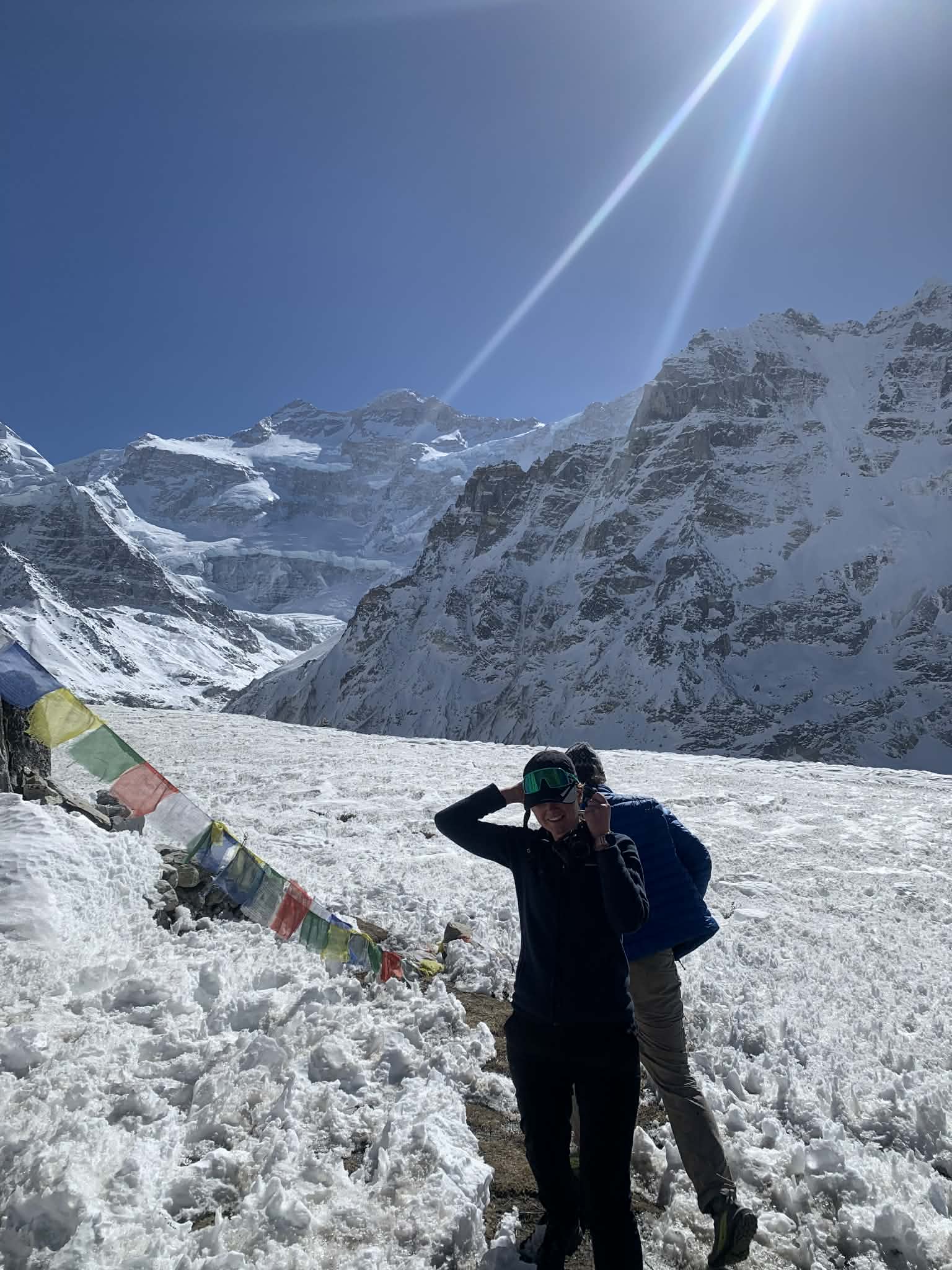
Kanchenjunga Circuit Trek Cost 2026/2026
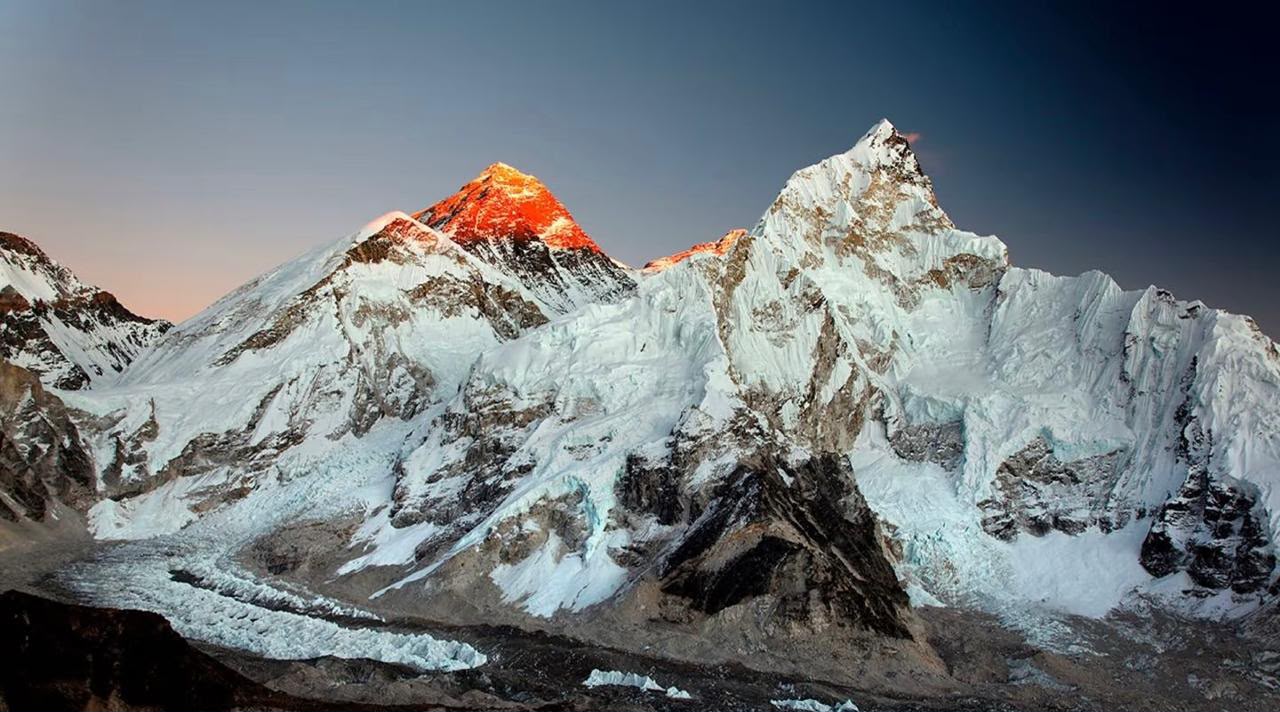
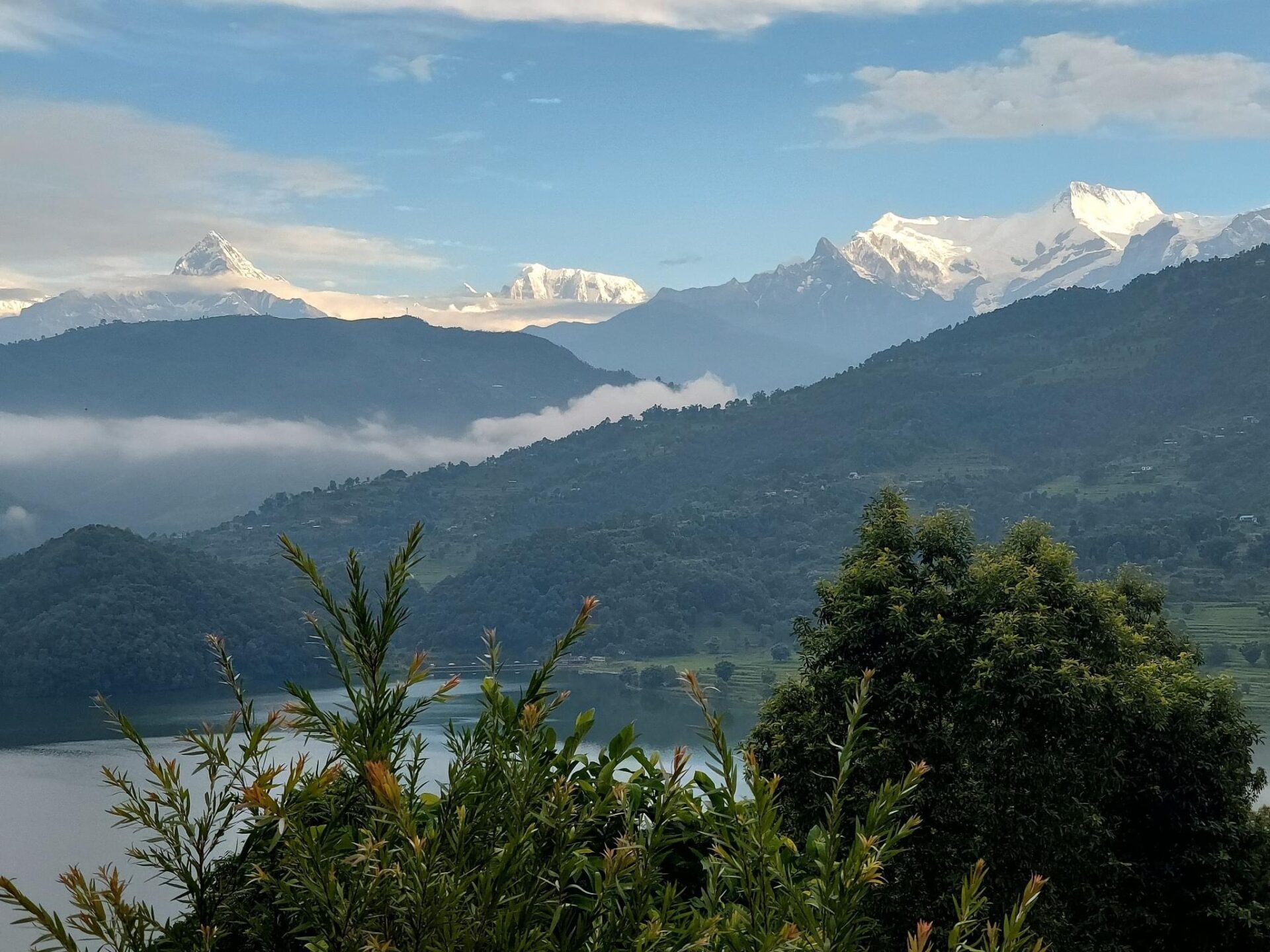
Affliations
We are Associated and Certificied with


